
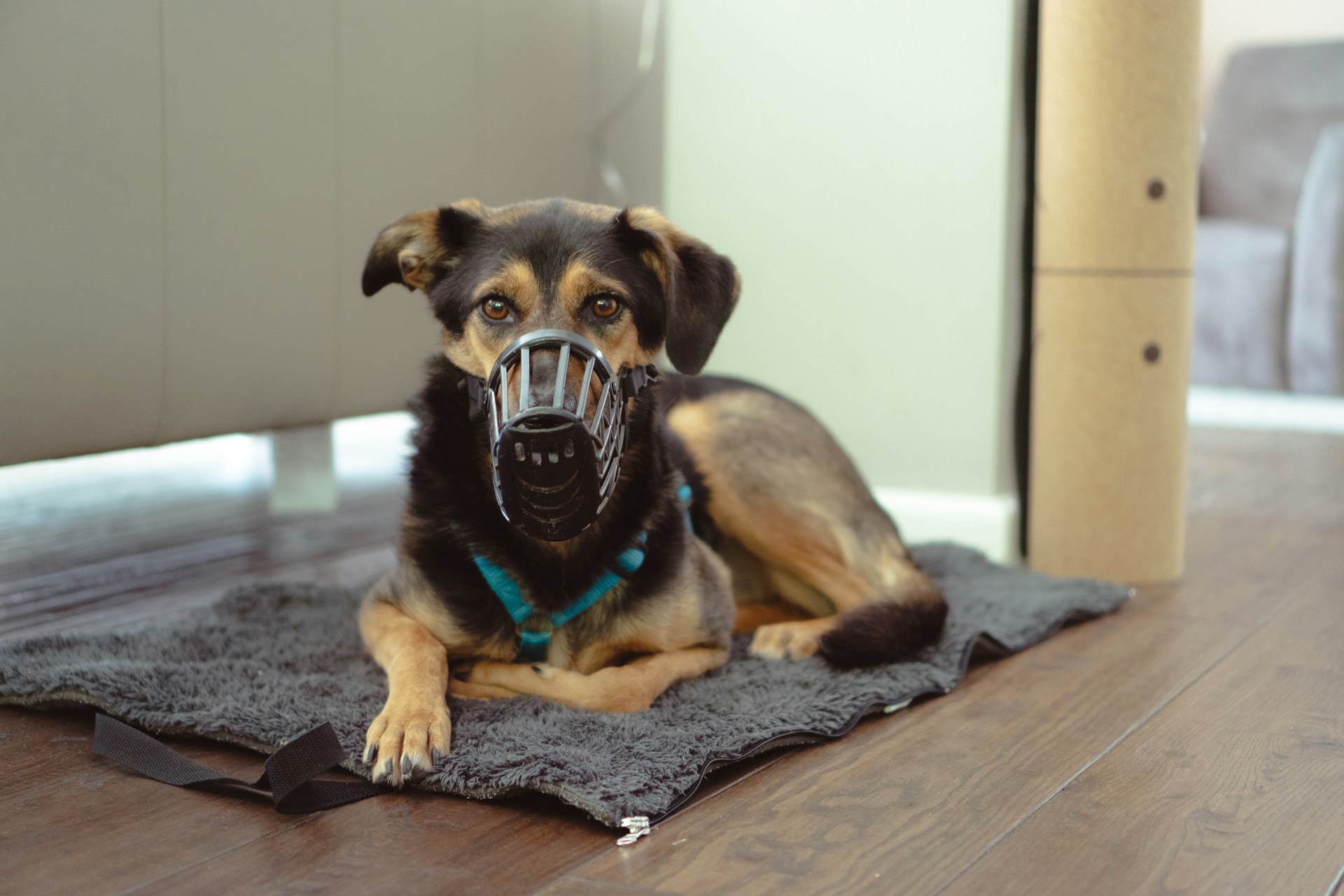
How to Muzzle Train and Why It’s Important
Teaching a dog to wear a muzzle is not just about safety, it is about helping them feel calm and prepared in new or stressful situations. Many people assume muzzle training is only needed for aggressive dogs but that’s not always true. Muzzle training is a smart step for many pets, especially as we move into colder months in places like Prince Albert, Saskatchewan.
Winter brings new routines. There is more time indoors, more guests, louder get-togethers, and sometimes even busier sidewalks during bundled-up walks. These changes can be a lot for a dog to handle. That is where muzzle training comes in handy. When practised the right way, it can build a dog’s confidence and comfort. It helps handlers feel more in control as well. For anyone looking into long-term canine behaviour and building reliable routines, adding a properly fitted basket or soft muzzle to training makes a real difference.
Why Muzzle Training Matters
There are plenty of moments when a muzzle is simply the safer and smarter choice for both dogs and people. It is not about fear or punishment. It is about being ready for the unexpected and helping everyone stay safe.
Vet visits are a good place to start. Even calm dogs can snap when they are hurting or scared. A dog comfortable with a muzzle is already prepared for that stressful space. This is important for grooming appointments, trips to busy public areas, and events with crowds and noise.
Muzzle training supports clear routines. When handlers treat the muzzle as normal and safe, dogs pick up on that energy. It becomes another tool to support calm, stable behaviour, especially for pets or pet owners who get nervous in busy or changing settings.
Clearing Up the Myths Around Muzzles
Muzzle training gets a bad reputation with some dog owners. That old stigma does not help anyone, especially the dogs who could benefit most. It is time to rethink that idea.
Wearing a muzzle does not mean a dog is aggressive. Some dogs struggle with anxiety, some are still learning, and some just get overwhelmed in certain settings. A muzzle gives those dogs (and people around them) a little more security. It is not about punishing a nervous dog, it is about keeping everyone safe until they settle.
Teaching your dog to accept a muzzle is not a sign of failure. Handlers who invest the time before they need it usually have an easier time managing tough moments.
There are more options now than there used to be. Basket-style muzzles allow dogs to pant, take treats, and even sip water. This style of muzzle makes training gentle and practical, not restrictive. With the right fit, it is just another piece of gear, like a harness or leash. The goal is to show your dog how to move through new environments with confidence.
How to Introduce the Muzzle the Right Way
Muzzle training should always move at your dog’s speed. Short, relaxed sessions pay off in the long run. Being slow and steady matters.
Begin by letting your dog sniff the muzzle on their own. Do not force it or push too soon. Right away, reward any interest or calm behaviour. Give a small treat when your dog moves closer or sniffs inside. This starts things off on a good note.
When your dog feels okay about the muzzle, try placing it gently on their nose, then take it off again. Give plenty of praise each time. As your dog gains confidence, add a few more seconds before removing it. Step by step, these short sessions build up familiarity.
Positive rewards help. Use snacks, calm petting, or a cheerful voice to keep the mood upbeat. You are not just teaching your dog to tolerate the muzzle, you are showing them it’s safe. A dog with positive exposure to a muzzle often does not notice it when they are out for a walk or busy with other things.
When and Where Muzzle Training Comes in Handy
The holidays and winter months can shake up a pet’s usual habits. More time at home, unexpected visitors, or even new smells and sounds around the house can add extra excitement or worry for dogs.
Here are moments when muzzle training is especially helpful:
Family gatherings and holiday parties where routines are different
Trips to the vet or longer grooming appointments
Seasonal emergencies, like treating cracked paws or a sudden trip to the animal hospital
Busier streets and trails in Prince Albert, or outings to community events
Having a dog that is comfortable in a muzzle means less stress when life takes a turn, even just for a weekend trip or a winter walk. For dogs who take a little extra time getting used to new gear or sounds, having practice with a muzzle makes every other part of the routine easier too.
A Strong Skill That Builds Trust
Building solid skills like muzzle training is really about creating trust. When a dog knows what is coming and can handle it, they are more relaxed. That calm feeling shows up during all kinds of changes at home and out in the city.
Muzzle work is a team effort. Like every canine skill, it works best with steady hands and a gentle approach. When a dog relaxes while wearing a muzzle, it means the process has been done right.
As your dog learns these new skills, you will notice small signs of growing confidence. Loading up the vehicle, saying hi to neighbours through the holiday season, or heading down icy sidewalks all start to feel a bit easier with a relaxed dog. That calm energy travels both ways, from handler to pet and back again.
Real success isn’t about chasing perfect behaviour. It is about giving your dog what they need to manage new sights, busy spaces, and seasonal routines. Muzzle training is another smart tool for making that happen in Prince Albert, wherever your winter might take you.
Muzzle training is a simple way to help dogs feel more settled in busy or unfamiliar situations. We work with families who want calm, safe handling around vet visits, holiday visitors, or changes at home. Our approach is focused on trust, timing, and building skills both you and your dog can count on. If you’re looking for help with dog training in Prince Albert, we’re ready to support your next step. Contact Arsenal Canine Academy to talk about what works best for your routine.
