Building Strong Foundations for K9 Detection Success
K9 detection work doesn’t start with a uniform and badge. It starts long before that, with structure, discipline, and the right kind of training. Strong foundations are what help a detection dog learn to focus, stay consistent, and follow through when it matters most. Without those early building blocks, it’s hard to create a confident team that works smoothly together.
K9 detection training is about more than sniffing out target scents. It’s about forming a bond between handler and dog, teaching the dog how to think under pressure, listen even in stressful situations, and make reliable decisions based on clear signals. Whether the job is detecting narcotics, explosives, or finding human remains, success starts with the basics.
Understanding K9 Detection Training
K9 detection training is a focused program that teaches working dogs how to detect specific scents. These dogs are trained to give clear alerts when they find what they’re looking for, so handlers know when a target has been located. The rewards are usually a toy or brief play, but the true value comes from purpose-driven training that sharpens both the dog's natural instincts and ability to follow direction.
There are several types of detection work, and each one demands its own style of training. Common examples include:
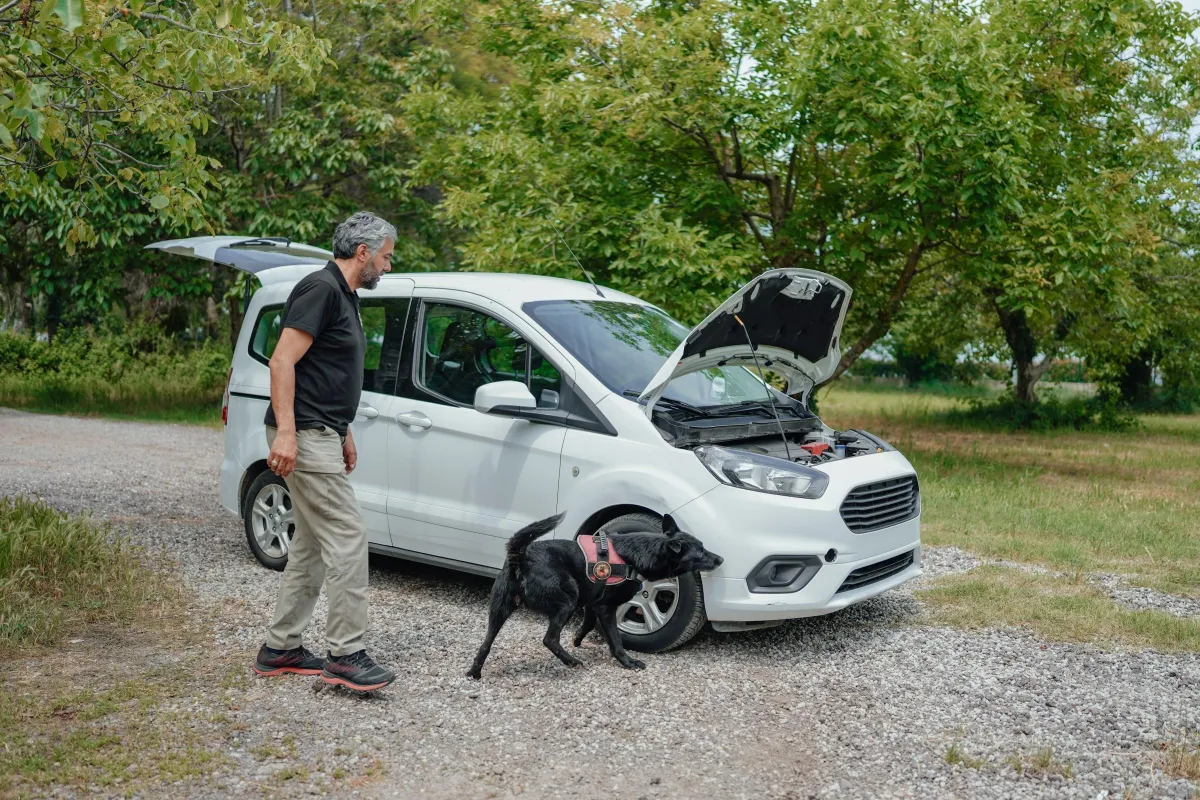
- Narcotics Detection – Locating illegal drugs or controlled substances in vehicles, buildings, or package deliveries
- Explosives Detection – Ensuring public safety by identifying dangerous items during check points, events, or patrol duties
- Search and Rescue – Locating human remains across tough terrain or during disaster recovery efforts
Each of these tasks is different, but the dog must be calm, methodical, and confident no matter the setting. High-stimulation environments aren’t for every dog, which is why training starts with evaluating natural instincts and building discipline early on.
Successful K9s usually show certain traits right from the start. These include:
- High drive and strong focus
- Curiosity and problem-solving ability
- Confidence in new surroundings
- Steady responses to loud sounds or crowds
A dog doesn’t have to be perfect in every area at the beginning. Raw potential combined with the right structure and encouragement can go a long way. The key is to catch that potential early and shape it in a way that supports long-term goals.
Key Elements Of Effective K9 Training
To get results, a strong training plan needs to focus on both the dog's physical needs and its thinking ability. Detection dogs work long hours, so building endurance is just the start. Mental toughness is just as important. That kind of strength comes from repetition, clear instructions, and setting up tasks that require the dog to figure things out without losing momentum.
Here are the basics that should be part of early training:
1. Daily Structure – Dogs thrive when they know what to expect every day. A daily plan reduces stress and encourages better performance over time.
2. Mental and Physical Challenges – A good balance of scent drills and physical exercise creates better results. Indoor searches, outdoor work, and basic obedience routines keep the dog on its toes.
3. Clear Communication – A handler must give consistent cues so the dog doesn't second-guess its actions. Whether using verbal signals or body language, the dog should learn what’s expected without confusion.
4. Positive Feedback – Praise, toys, and rewards help keep the dog motivated. Choose rewards the dog finds exciting. For some, it’s a short tug session. For others, it’s a ball or quick game of catch.
5. Controlled Exposure – It's helpful to start simple and add distractions over time. This way, the dog learns how to filter out noise, smells, and movement that don't relate to the task at hand.
Think about a dog that’s full of energy but has no focus. Without those layers of training, that energy becomes a problem instead of an asset. But when you give that same dog a routine, clear tasks, and meaningful rewards, that energy turns into drive and purpose. That’s how foundation work makes all the difference.
Selecting The Right K9 For Detection Work
Not every dog is built for K9 detection. While drive and energy are good signs, there’s more to consider before moving into formal training. Choosing the right candidate reduces setbacks and increases the chance of developing a reliable working dog. This doesn't always mean looking at pedigree alone. It means choosing the right mix of instincts, behaviour, and build.
The most important things to look for in a K9 detection prospect are:
- Strong hunt and play drive
- A focused mindset, even in noisy or changing environments
- A love for reward-based interactions
- Boldness without aggressiveness
- Resilience in the face of stress or correction
Breed plays a role, but it shouldn’t be the only factor. While some breeds are known for their working ability, each dog should be assessed as an individual. Even within a recommended breed, one dog might be well-suited for detection, while another is better fit for patrol or home life.
Early evaluation is key. This can start with basic assessments like reaction to movement, interest in searching for items, and willingness to engage with handlers. Experienced trainers often use a few structured tests to see how a dog responds to new spaces, strange sounds, and quick problem-solving tasks without needing instruction. These windows into the dog’s behaviour help predict attention span, smell interest, and trainability. Investing the time up front helps avoid wasted progress later.
Ongoing Training And Development
Once a dog enters formal training, the work doesn’t stop when basic skills are learned. K9 detection requires constant development. The more a dog works, the more it learns how to handle different real-world conditions. Without that experience, even a smart dog may hesitate in an unpredictable setting.
To stay sharp, detection teams need a steady stream of scenarios that challenge both the dog and the handler. This could mean adjusting search areas or switching up hide locations. It’s also important to rotate training scents and increase environmental distractions over time.
Here are a few ways to keep training effective and forward-moving:
- Rotate search environments: indoors, vehicles, open areas, and cluttered spaces
- Switch handlers to increase flexibility and challenge the dog in new ways
- Introduce real working conditions, like loud noise or different surface types
- Revisit foundation work regularly to refresh basics and rebuild confidence if needed
A thoughtful, long-term training plan helps prevent skill gaps. The goal is to create a dog that doesn’t just find a scent in training, but also performs well when it counts, with multiple distractions and pressure.
Building A Lasting Partnership
A successful K9 unit isn’t just about how well the dog performs. It’s about teamwork. A well-trained dog with a disconnected handler won’t get far in real detection work. Trust, timing, and solid communication make the difference between a dog that reacts and a dog that acts with purpose.
Handlers who spend time with their dog off duty tend to build stronger working relationships. The dog starts to read the handler’s body language and tone without over analysis. As the bond gets stronger, the team begins to operate with less guesswork and better flow.
Respect also plays a big part. The dog needs to trust its signals won’t be ignored and the handler needs to trust that the dog isn’t alerting for attention. That balance creates a rhythm during tasks that doesn’t need second-guessing.
One example of this trust in action is during blind searches, where the handler doesn’t know the hide location. A confident dog will commit to an alert, and a trained handler will read that signal and respond. The flow between them doesn't happen by chance. It’s the result of hours of training, play, correction, encouragement, and yes, failure too.
Preparing For Success With Arsenal Canine Academy
Nothing about detection work happens overnight. The results people see during a deployment or operation are just the tip of the iceberg. It’s the hours behind the scenes, puzzle work, scent drills, and focused rewards that make the performance look clean.
Strong K9 detection starts by understanding the right dog, building the right habits, and keeping training consistent over time. That foundation matters just as much in Year 5 as it does on Day 1. Successful teams return to it often to stay grounded and sharp.
For those ready to go deeper, training with an experienced K9 instructor is the next step. It gives both dog and handler structured coaching, clear goals, and better feedback during every phase of development. Whether you're just starting or looking to level up, building the right base sets the stage for real working success.
K9 detection training lays the groundwork for an effective and reliable dog-handler team. Whether you're just beginning or seeking to further enhance skills, understanding these foundational steps sets you on the right path. If you're looking to elevate your training experience and build a strong partnership, learn how K9 detection training through Arsenal Canine Academy can support your journey and help shape the future of dependable working teams.
