
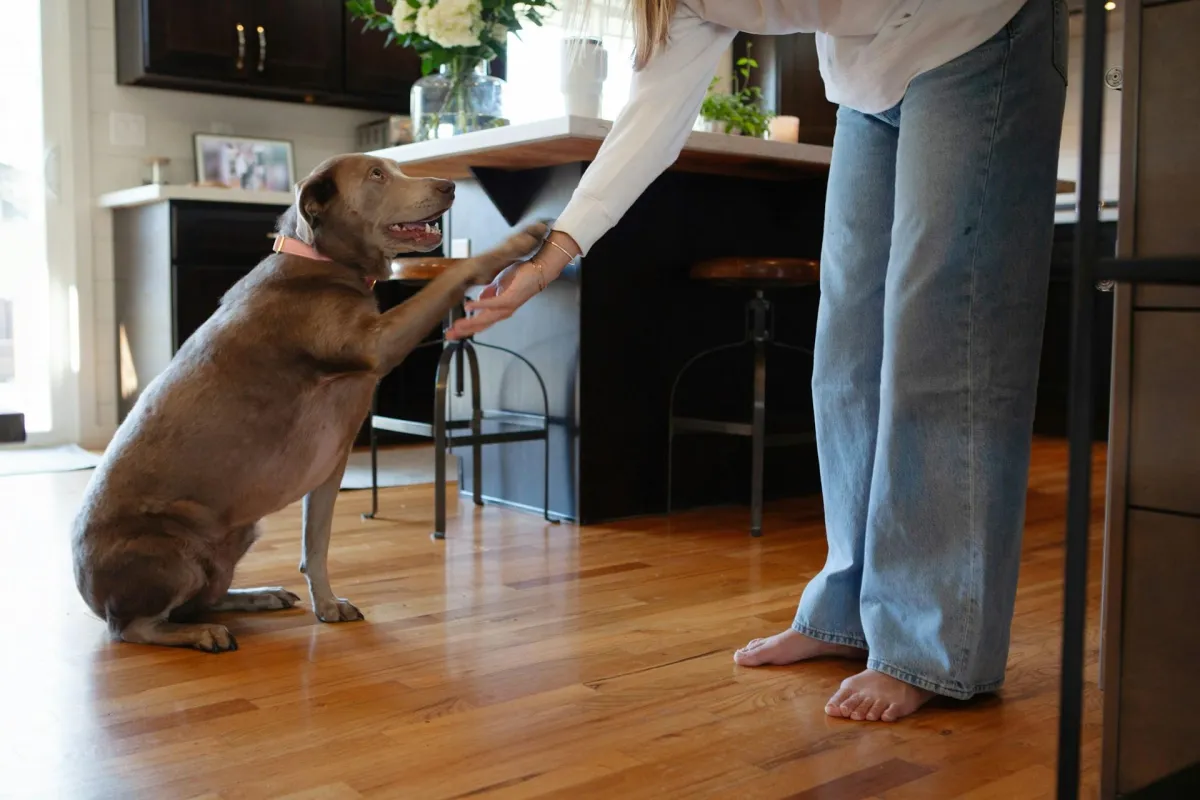
Correcting Unwanted Behaviours: From Leash Pulling to Excessive Barking
Unwanted behaviours in dogs can turn enjoyable outings or quiet evenings into daily stresses. Whether it’s leash pulling that makes walks a tug-of-war or non-stop barking that disturbs your peace, these habits can affect how you feel at home and out in public. While it’s easy to brush them off as just how dogs are, they’re often signals of a deeper need for structure, clarity, or support in everyday routines.
Knowing how to address these behaviours with the right tools and guidance sets the tone for a more pleasant life together. Dog behavioral training isn’t about forcing obedience. It’s about helping your dog understand what’s expected and learning to respond in a way that works for both of you. From teaching good habits to building trust, the right training approach can make home life smoother and more rewarding.
At Arsenal Canine Academy in Prince Albert, Saskatchewan, we approach dog behavioural problems with proven techniques and a deep understanding of how dogs learn. Our goal is to help dogs and owners build a well-balanced relationship that leads to a calmer home.
Understanding Unwanted Behaviours In Dogs
Every dog is different, but certain behaviours come up often with pet owners. These include leash pulling, barking at everything that moves, chewing on furniture, jumping on guests, or ignoring commands. While frustrating, these actions aren’t random. Most of the time, they’re your dog’s way of saying they’re bored, confused, or overwhelmed.
Leash pulling is a good example. A dog who pulls may be excited to explore or may not have been taught how to walk calmly. Excessive barking might point to anxiety, loneliness, or reactions to noises and motion outside. Some dogs figure out that barking gets results—like being let outside—so they start using it as a default request.
These behaviours can strain patience, cause embarrassment, and sometimes spark tension at home or with neighbours. Without proper guidance, the behaviours may become worse or harder to change. It helps to step back and ask what the dog is trying to communicate and what they need to feel more settled.
Addressing Leash Pulling
Leash pulling is one of the most common frustrations among dog owners. You step out the door hoping for a calm walk, only to be dragged down the street. Along with being frustrating, it creates safety concerns if your dog pulls toward traffic, wraps the leash around your legs, or lunges at distractions.
Most dogs pull simply because they haven’t learned another way. Outdoors, everything is stimulating—sights, smells, sounds—and pulling gets them there faster. To shift the habit, your dog needs to learn that staying near you brings better outcomes.
Here are some practical tips that can help:
1. The moment the leash pulls tight, stop walking. Wait for your dog to return to your side before moving on.
2. Reward even small moments of loose-leash walking.
3. Start in quiet areas with fewer distractions to set your dog up for success.
4. Keep sessions short and consistent. Daily practice builds improvement over time.
There’s no switch that flips overnight, but steady repetition does make a difference. Even if progress feels slow, consistency is what helps habits stick, turning walk time into something both of you look forward to.
Reducing Excessive Barking
A dog that barks at every knock or passing cyclist can wear on your nerves. Barking is just a form of communication, but when it happens too much, there’s usually an underlying cause.
Dogs tend to bark out of boredom, anxiety, attention-seeking, or reactivity to their surroundings. One of the first steps is understanding why the barking is happening before trying to reduce it.
Depending on the case, different techniques may apply:
1. If your dog is bored, increase their exercise and add mental stimulation like puzzle feeders or simple training games.
2. If your dog watches out the window and reacts, close the blinds or apply frosted film to reduce the visual triggers.
3. Teach a quiet command by waiting for a few barks, then praising your dog when they stop.
4. If barking happens when you’re away, give your dog a job to do. Puzzle toys or leaving the radio on low volume can help soften environmental triggers.
Let’s say your dog barks every time the mail truck rolls up. Reward moments of silence while the truck is nearby instead of focusing only on the noise. By reinforcing the calm response, your dog begins to understand what you want.
The main factor with training quietness is consistency. If your dog is unsure whether barking gets them attention or a correction, the pattern becomes harder to break. Clear, calm reactions guide them more effectively than frustration ever could.
Encouraging Positive Behaviours
Training isn’t just about stopping the wrong things—it’s just as much about highlighting the good. When your dog does what you want, making that clear right away helps them remember and repeat it.
Using rewards is one of the most powerful ways to build habits. These don’t always mean treats, either. Dogs respond in different ways. Consider:
1. Verbal praise using a happy tone of voice.
2. A quick game with a favourite toy.
3. Permission to sniff a new area during a walk.
4. Calm physical contact if they enjoy it.
Timing is everything. The reward needs to connect with the behaviour you liked. So if they sit politely as a neighbour walks by, give that reward while they’re seated, not after they’ve gotten up again.
When you consistently celebrate those small wins, those behaviours become more natural over time. Your dog starts to see the benefit of choosing calm and focused actions, which helps keep your daily routines more peaceful.
Building Trust And Effective Communication
Training works best when your dog trusts you and understands what you’re asking. Mixed signals get in the way of that trust. It creates confusion, making it harder for your dog to feel secure enough to learn something new.
Trust starts with making things predictable. If you ask for a “sit,” that should mean the same thing every time.
A few simple tips make communication clearer:
1. Use simple, repeatable commands like sit, down, or stay.
2. Match your body language to your words. Posture helps deliver the message clearly.
3. Keep corrections calm and measured. Stay away from yelling or sudden reactions.
4. Stick to routines. Dogs feel more relaxed when life follows a familiar pattern.
5. Progress takes time. Be patient when your dog struggles to get it right.
Beyond training moments, spend time doing lower-pressure things together like walks or gentle play. These non-training times strengthen your bond. When your dog feels close and safe, they’re far more likely to look to you for direction when it counts.
A Stronger Bond Leads to a Better Home
Correcting unwanted behaviours is about building a relationship that works, one based on trust and shared understanding.
With patience, and consistent cues, you can help your dog feel less confused and more connected. Over time, those smoother walks, quieter afternoons, and calmer greetings will start to shape your everyday life for the better.
Training isn’t a one-size-fits-all process. What works for one dog may not work for the next. But with the right approach and support from experienced trainers, every dog has the chance to thrive. A few mindful shifts today can lead to a happier, more relaxed home for you and your dog alike.
Strengthening the bond with your dog through positive interactions and clear communication is key to resolving behavioural challenges. If you're looking for real change and want to learn how structured guidance makes a difference, explore our approach to dog behavioral training. At Arsenal Canine Academy, we’re here to help you and your dog build a better, lasting partnership.
