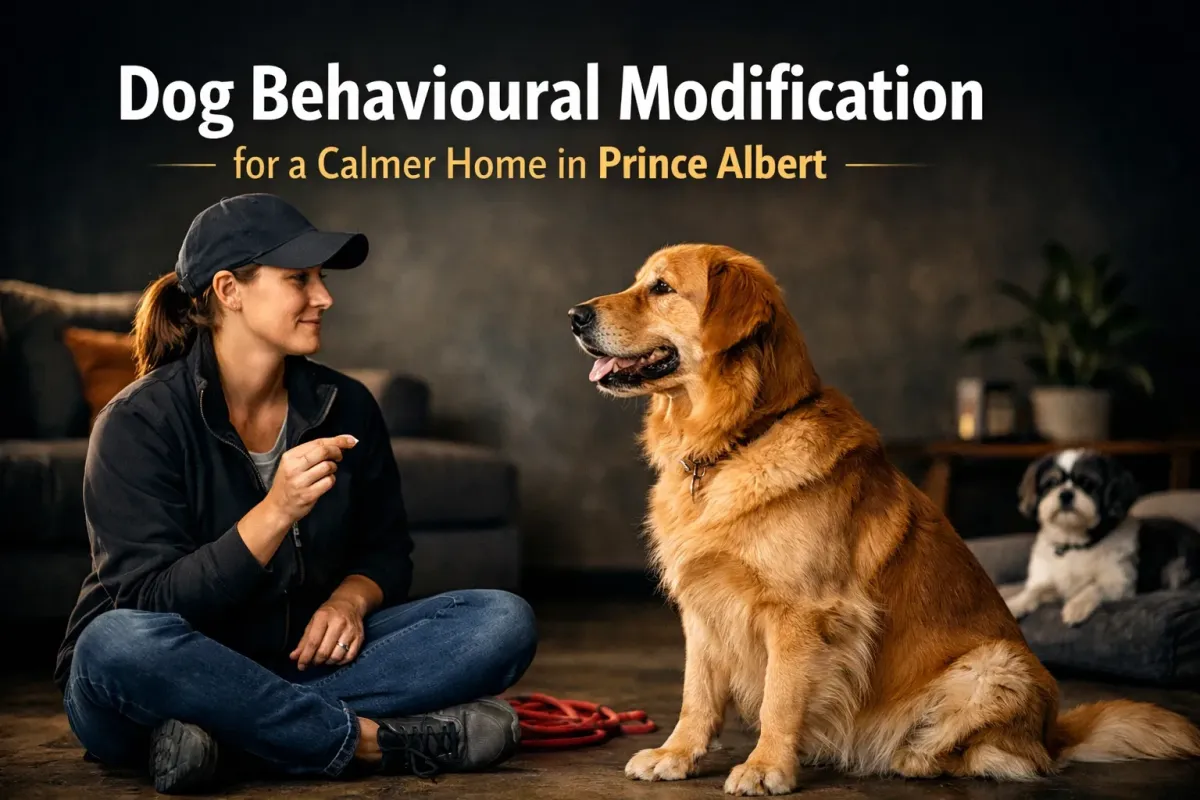
Dog Behavioural Modification for a Calmer Home in Prince Albert
Your dog lunges at other dogs on walks. They bark relentlessly when someone knocks on the door. They can't settle, even after a long day. And you've tried everything: treats, commands, YouTube videos: but nothing sticks.
Here's the thing: obedience training teaches your dog what to do. Behavioural modification addresses why they're struggling in the first place.
If your dog knows "sit" but still loses their mind when the mail carrier arrives, you're not dealing with an obedience problem. You're dealing with a behavioural one. And that requires a different approach entirely.
What Behavioural Modification Actually Means
Behavioural modification isn't about drilling commands until your dog complies. It's about identifying the root cause of unwanted behaviours and helping your dog develop healthier responses.
Let's say your dog is reactive on leash. Standard obedience training might teach them to heel perfectly: but if the underlying anxiety or frustration isn't addressed, they'll still explode the moment they see another dog. The command becomes a band-aid, not a solution.
Real behavioural work digs deeper. It looks at:
Emotional triggers: What's causing the reaction? Fear? Overarousal? Frustration?
Environmental factors: Are certain situations making things worse?
Handler relationship: Is your dog looking to you for guidance, or are they making their own decisions?
Reinforcement history: What has inadvertently been rewarded in the past?
Once you understand the "why," you can start building a dog who doesn't just obey: but who genuinely responds differently to the world around them.
Common Behavioural Issues We See in Prince Albert
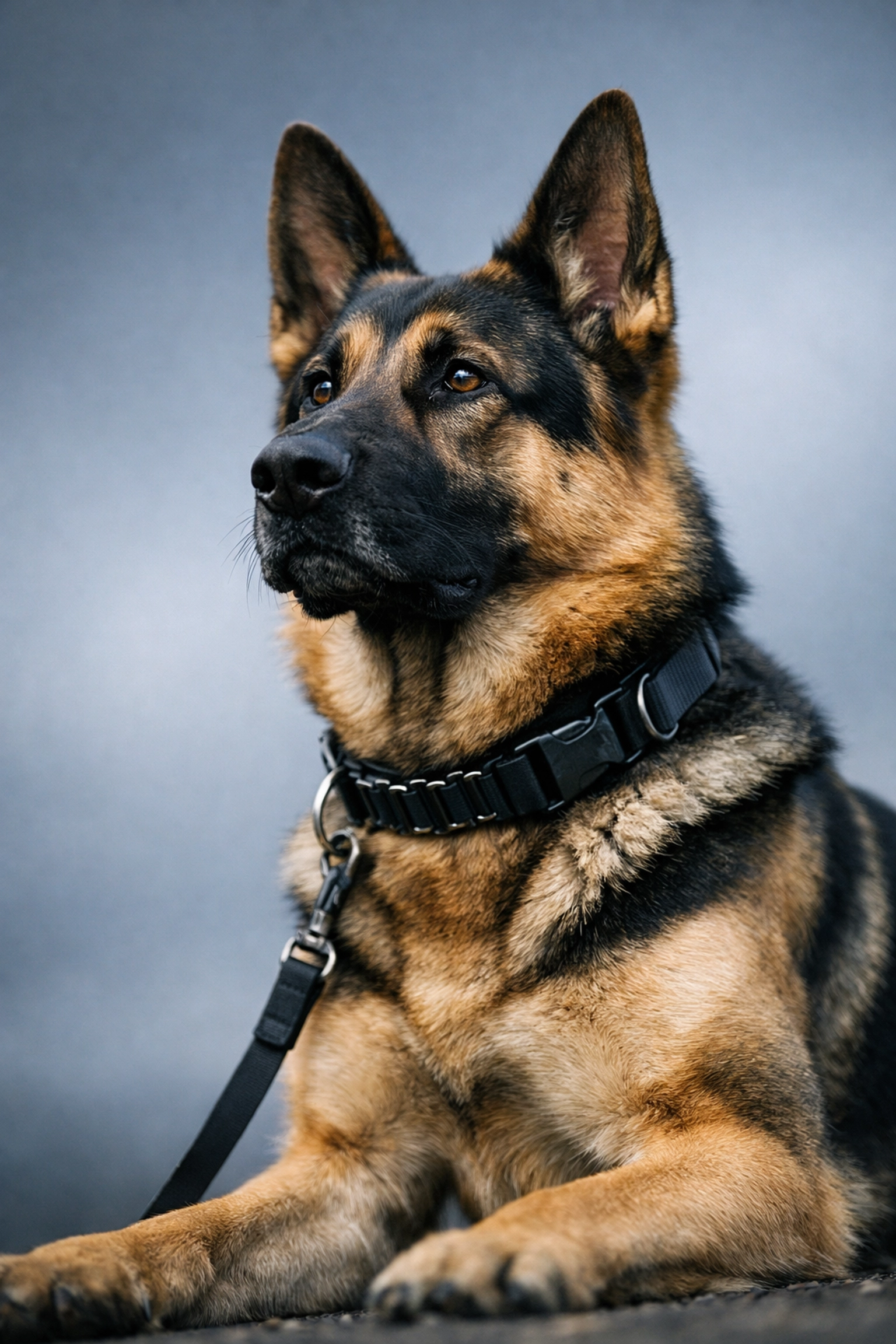
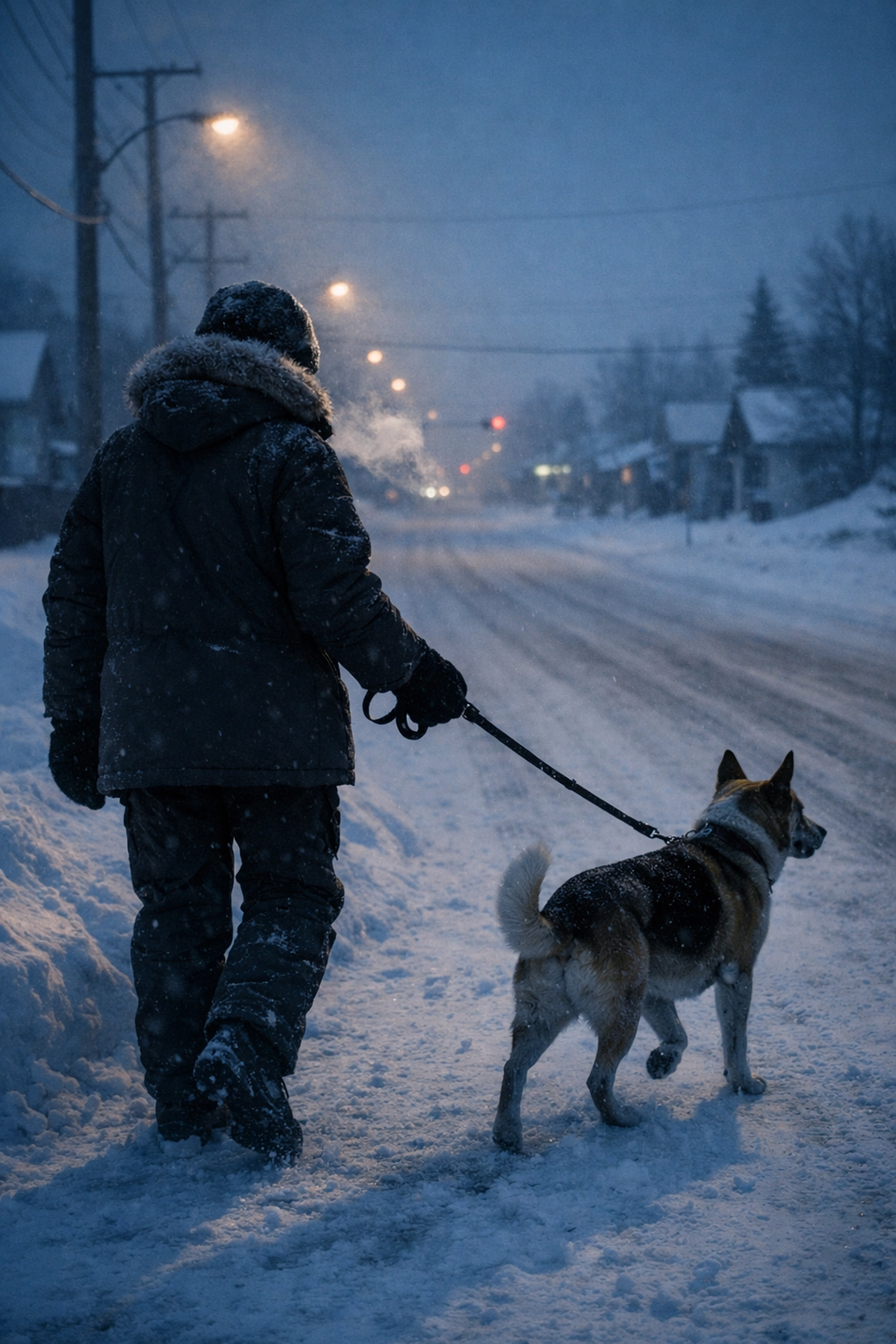
Saskatchewan winters add another layer of complexity to dog behaviour. When it's -35°C and your dog hasn't had a proper outlet in days, behavioural issues tend to surface fast.
Reactivity and Aggression
Leash reactivity, dog-to-dog aggression, and barrier frustration are some of the most common concerns we address. These behaviours often stem from poor socialization, fear, or a lack of structure: and they escalate when dogs are cooped up during long winter stretches.
Anxiety and Hyperarousal
Some dogs can't settle. They pace, whine, and demand constant attention. Others shut down entirely when faced with new situations. Both ends of the spectrum indicate a dog who hasn't learned how to regulate their own emotions.
Resource Guarding
Whether it's food, toys, or space, resource guarding is a serious behavioural issue that requires careful, strategic intervention. It's not about "showing dominance": it's about helping your dog feel secure enough that they don't need to protect everything.
Destructive Behaviours
Chewing, digging, and general chaos at home usually point to a combination of boredom, anxiety, and lack of clear expectations. A tired dog isn't always a good dog: sometimes it's an overstimulated one.
These issues don't resolve themselves. And they don't disappear just because your dog can sit on command.
Why Saskatchewan Winters Make Behavioural Work Harder
When the temperature drops and daylight shrinks, exercise routines fall apart. That 45-minute walk becomes a 10-minute potty break. Dog parks close. Trails become impassable. And your dog's energy and frustration build.
This is when behavioural issues intensify. A dog who was manageable in summer becomes a nightmare in January. The lack of physical and mental stimulation compounds existing problems, and new ones emerge.
It's not your fault: but it does mean you need a plan that accounts for Saskatchewan's reality. Training can't rely on long hikes and outdoor enrichment when half the year is spent indoors.
The Difference Between Training and Modification
Obedience training is important. Your dog should know basic commands, walk politely on leash, and respond when called. But if your dog is anxious, reactive, or struggling with impulse control, obedience alone won't fix it.
Think of it this way: obedience is teaching your dog the rules of the road. Behavioural modification is teaching them how to stay calm in traffic.
At Arsenal Canine Academy, we don't just drill commands. We build dogs who can handle pressure, think through challenges, and look to their handler for guidance. That's the foundation of real behavioural change: and it's what separates a well-trained dog from a behaviourally sound one.
How We Approach Behavioural Modification
Behavioural work isn't a quick fix. It's methodical, structured, and requires consistency. Here's how we tackle it:
Assessment
We start by understanding the full picture. What's triggering the behaviour? How long has it been happening? What's the dog's history, energy level, and current routine? This isn't a checklist: it's detective work.
Foundation Building
Before we address the specific issue, we establish structure. Clear expectations, consistent boundaries, and a relationship built on trust and respect. A dog who doesn't respect their handler's guidance won't follow through when it matters.
Controlled Exposure
We introduce triggers in a controlled, gradual way. This isn't flooding: it's strategic desensitization paired with teaching the dog alternative responses. Small wins build confidence, and confidence builds lasting change.
Handler Education
This is where the partnership comes in. We can build the foundation, but you're the one living with your dog every day. You need to understand the triggers, recognize early warning signs, and respond appropriately. That's why handler education is built into every program.
The Boarding Rover Program: Comprehensive Behavioural Work
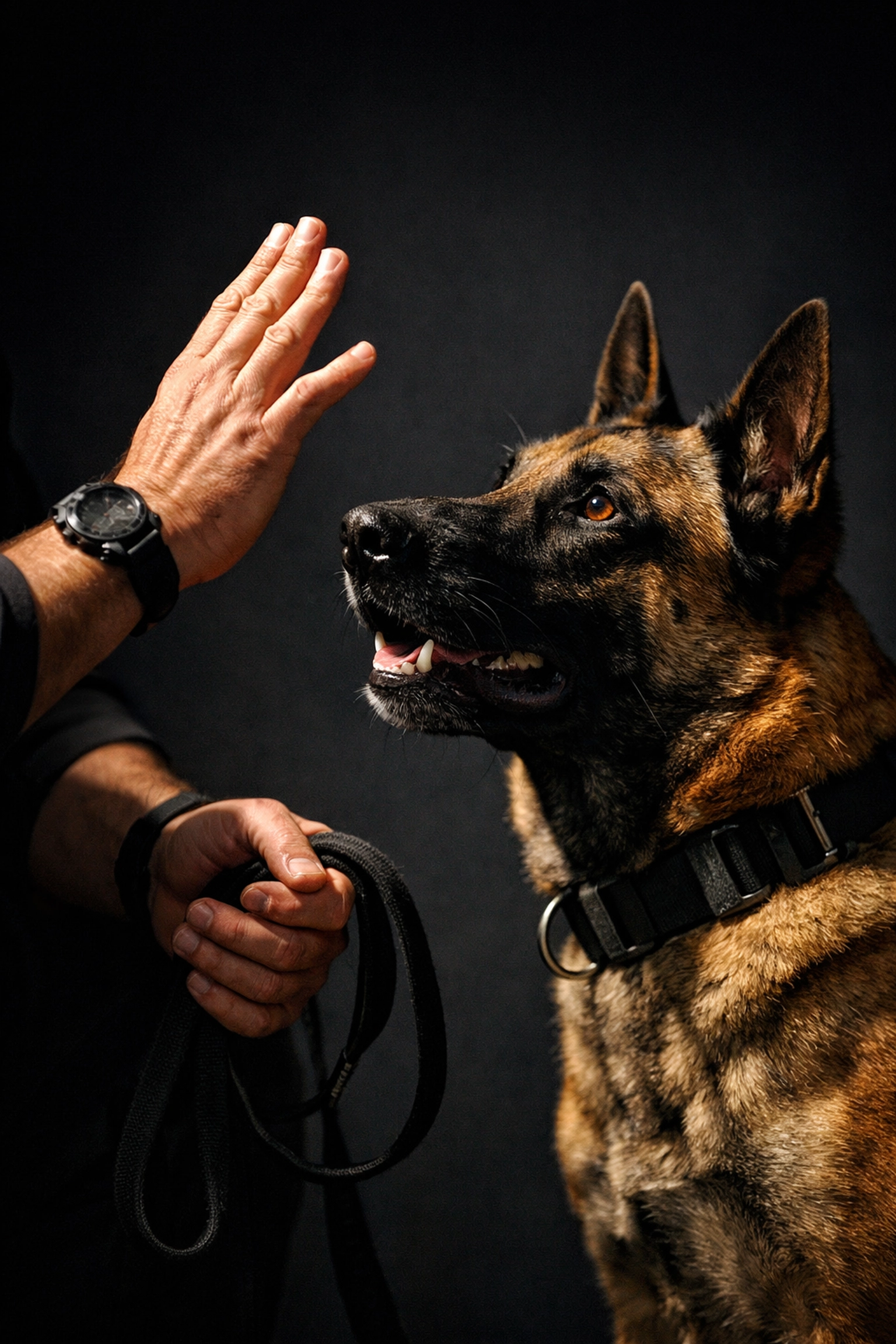
For dogs with serious behavioural challenges, our Boarding Rover program offers the most immersive option. Your dog lives with us, training multiple times a day in varied environments and situations.
This isn't a vacation for your dog. It's a structured, rigorous program designed to address root behavioural issues while building obedience and focus. Your dog learns to work under pressure, navigate distractions, and respond reliably: even when emotions run high.
The advantage? Consistency. Behavioural modification requires repetition and precision. When your dog is with us, every interaction reinforces the right responses. There's no downtime where old habits creep back in.
But here's the reality: we can build the foundation, and we can teach your dog to respond to you. What we can't do is guarantee behaviour in every context for the rest of your dog's life. That's because behaviour isn't static: it's influenced by environment, consistency, and ongoing reinforcement.
What We Guarantee (and What We Don't)
Let's be clear about expectations.
We guarantee your dog will listen to you. If you give a command, your dog will respond. That's obedience, and that's something we can build reliably through structured training.
We don't guarantee behaviour will never be an issue again. Behaviour is an ongoing partnership between you and your dog. If structure slips, consistency fades, or new triggers emerge, behaviours can resurface. That's not a failure: it's how behaviour works.
Think of it like fitness. A trainer can get you in shape, but if you stop working out, you'll lose progress. The same applies to dogs. Behavioural modification gives you the tools, the foundation, and the understanding: but maintaining it is a team effort.
Why Ongoing Work Matters
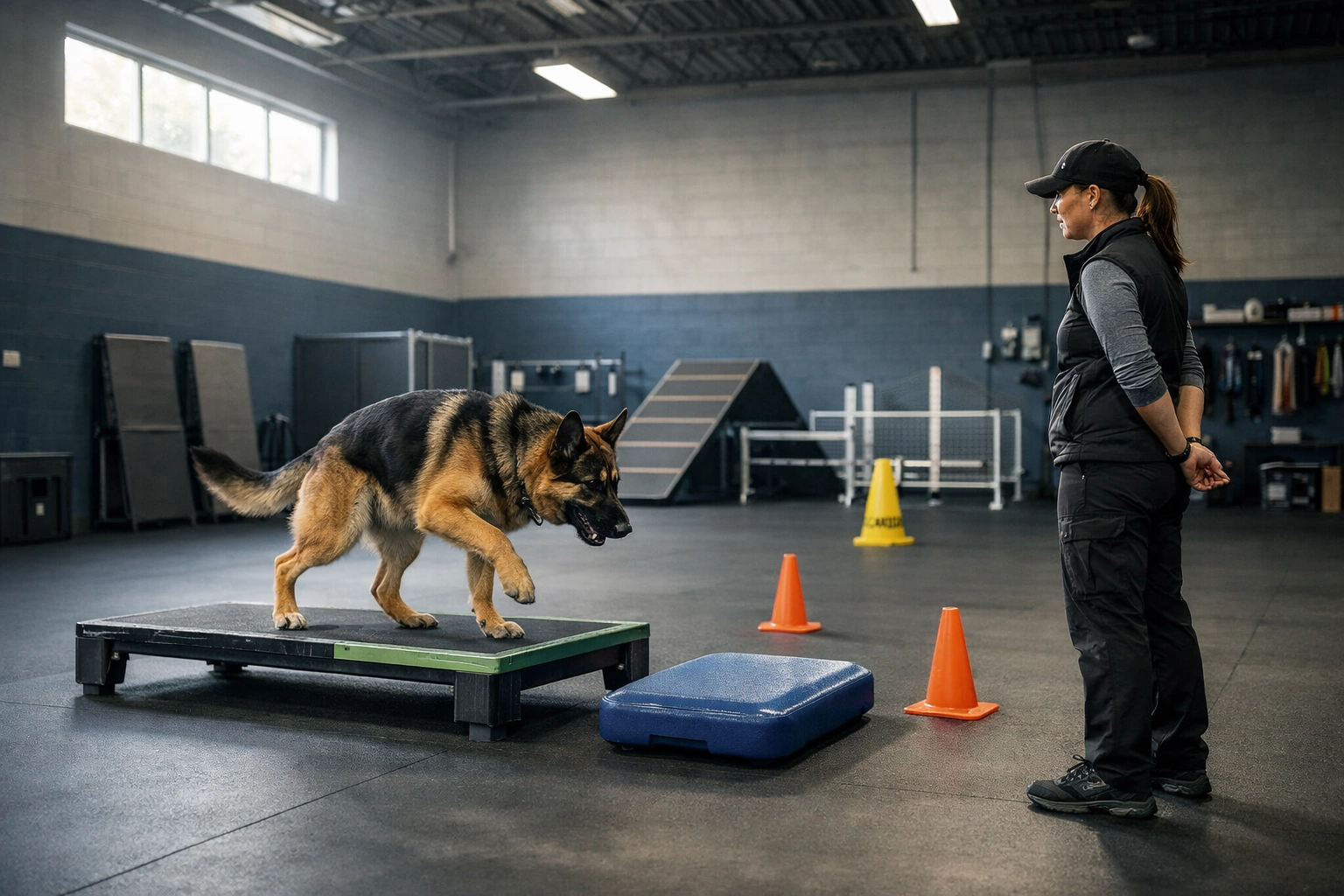
Even after a dog completes a behavioural modification program, maintenance is key. That doesn't mean daily training sessions for the rest of your dog's life: but it does mean staying aware, staying consistent, and staying proactive.
Here's what ongoing work looks like:
Reinforcing calm behaviour: Reward your dog for settling, for ignoring distractions, for making good choices.
Maintaining structure: Don't let boundaries slide. Consistency is what keeps behavioural progress intact.
Managing triggers: Know what sets your dog off, and have a plan for those situations.
Recognizing regression early: If old behaviours start creeping back, address them immediately before they become ingrained again.
Behavioural modification isn't a one-and-done solution. It's a shift in how you and your dog navigate the world together.
When to Seek Help from a Dog Behaviourist in Prince Albert
If you're dealing with reactivity, aggression, anxiety, or destructive behaviours that aren't improving with basic training, it's time to bring in a professional. Behavioural issues don't resolve on their own: they escalate.
And the longer you wait, the harder they are to undo.
At Arsenal Canine Academy, we specialize in dogs who need more than obedience. Whether it's a board and train program in Saskatchewan or hands-on behavioural work, we're here to help you build a calmer, more manageable dog.
If your dog is struggling, reach out. We'll talk through what's happening, what's possible, and what the path forward looks like. Because a calmer home doesn't happen by accident: it's built through structure, consistency, and real behavioural work.
