
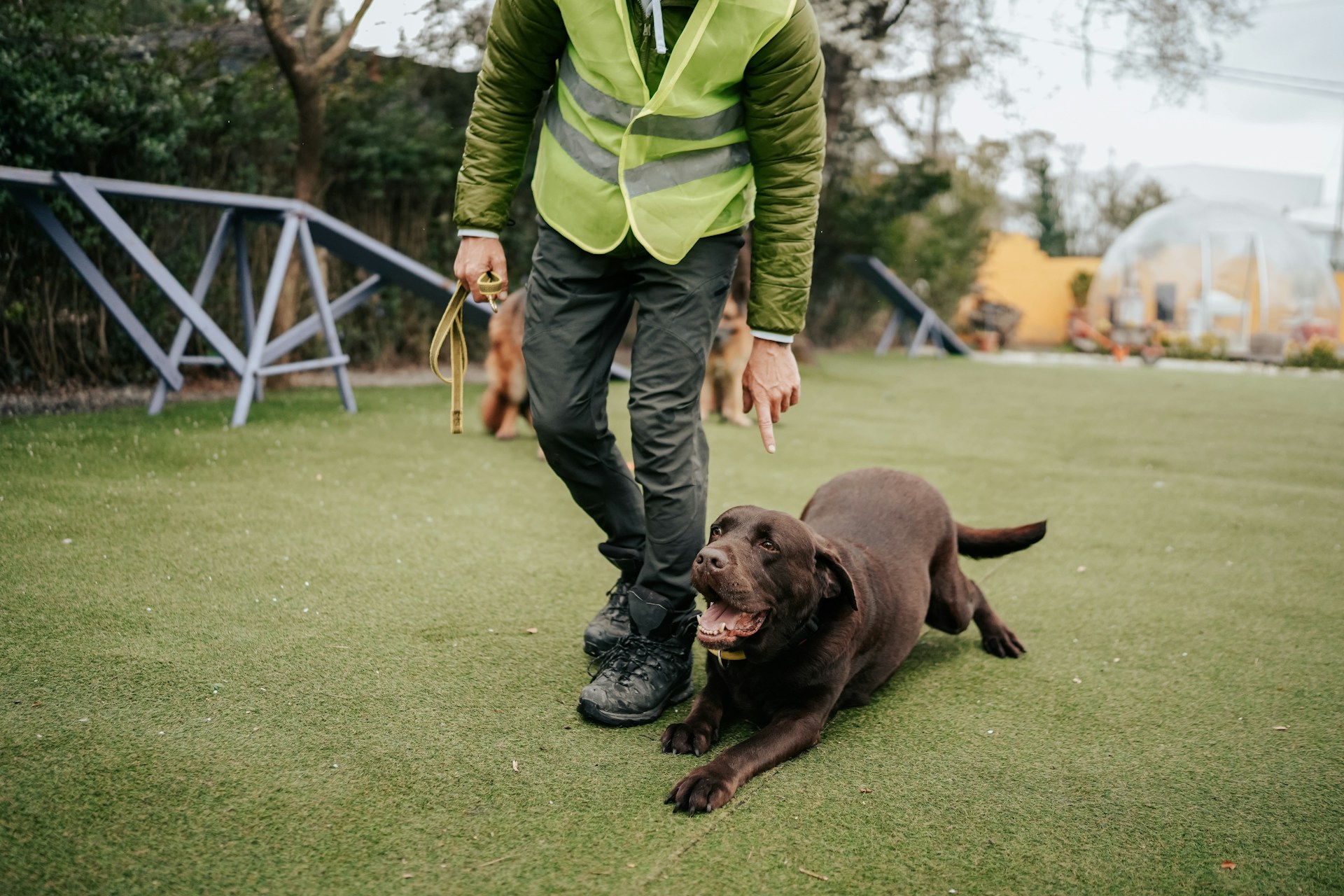
Dog Obedience Training Programs Available in Saskatchewan
When life with your dog starts to feel a little more chaotic than calm, obedience training can help bring back a sense of balance. Many families across the province look to dog obedience training in Saskatchewan when things like leash pulling, nonstop barking, or poor recall start to take over daily life. A good program is not just about teaching commands—it is about building trust and creating routines that work for both the dog and the person guiding them.
Whether your dog is still learning the basics or showing signs of stubborn behaviour, the right training can create lasting change. From beginner cues to building better habits around the house, knowing your options can make the process feel a lot less frustrating. Here is what to expect with obedience training, and how to choose an approach that fits your dog and your everyday routine.
What Obedience Training Really Means
Obedience training often starts with the basics, but it runs deeper than just learning to sit on command. It is about building a line of communication between you and your dog that makes daily life easier and less stressful for both of you.
Core obedience skills cover things like:
- Sit, down, and stay
- Come when called (even in distracting settings)
- Walking on leash without dragging the handler
- Waiting at doors or settling calmly in public or at home
These are tools your dog uses every day. A well-trained dog learns to pause instead of bolting out the door, walk beside you on icy Saskatchewan sidewalks, and stay calm when visitors show up. The goal is not about perfect control or taking the fun out of being a dog. It is about making your everyday interactions smoother, especially in moments where stress runs high.
Training makes a clear difference in homes, parks, and everywhere in between. It is not flashy or dramatic—it is practical, repeatable, and real-world focused.
Types of Obedience Training Programs You’ll Find in Saskatchewan
Across Saskatchewan, you will find a few main types of obedience training programs. Each has its place, depending on your needs, goals, and the kind of dog you have.
Group classes are a common starting point. These usually happen in indoor training spaces, which is good news for winter. In this format, dogs learn around distractions and develop focus. Classes run for several weeks, following a set structure across core obedience skills.
One-on-one sessions offer more personal attention. This approach fits dogs who need targeted help or who struggle in loud, energetic group settings. Private sessions adapt to what your family needs—like working on jumping up at the door or constant barking at mealtimes.
Board and train programs are an option for families with busy routines or dogs who need more focused help. Here, dogs spend weeks living with a trainer, practicing routines and good manners. When they return home, you get a plan for keeping up with the new habits.
How Obedience Training Helps With Everyday Behaviour
Most issues that drive people to training pop up in daily routines. Leash pulling can turn a simple walk into a struggle. Barking at every noise leaves a home feeling tense. Poor recall when off-leash can become risky.
Obedience training gives your dog structure. Clear routines help your dog know what to expect, so they start to act with more confidence. A dog who walks at your side enjoys the outing and reacts less to distractions. A dog that learns to stay by the door is less likely to bowl over visitors or bolt outside.
The real core of obedience training is communication. When your words mean something and are paired with cues your dog understands, they stop guessing what you want. That helps them feel more relaxed, and gives you an easier time handling anything that comes up.
Nervous dogs settle down when they understand what happens next. Excitable dogs learn to pause and wait for your go-ahead. Obedience is not only about commands—it is about building security, trust, and steady routines.
When to Start and What to Expect Along the Way
People sometimes wonder if it is too late to teach their dog. Puppies can start early, but adult dogs are just as able to learn new routines. The sooner you start, the faster the path to good habits can be, but older dogs catch on just fine with patience.
Consistency always matters more than age. Most dogs, no matter how old, enjoy learning if they have a calm, clear teacher.
Progress with obedience is steady. In the first sessions, dogs might seem confused or distracted. But stick with it, and you’ll notice more focus and smoother routines in a matter of weeks.
You can expect:
- Early weeks: Meeting the trainer, learning the cues, and starting to build routines
- Middle weeks: Introducing distractions or changing settings, building better focus
- Later weeks: Seeing calm reactions in trickier situations, like at the park or by the door
Every family and dog moves at their own pace. Celebrate small wins and don’t focus on getting things perfect.
Finding Trustworthy Help Near You
Choosing good support means looking for professional skills and a good match for your routines. Not every dog learns the same way, and not every trainer is right for every family.
Saskatchewan’s winter means outdoor walks are often shorter and colder. It is helpful to work with someone who understands your neighbourhood and seasonal routines, so you get advice that fits real life, not just the classroom.
Obedience training is about building for the future, not just solving problems. Working with the right help means you get a plan for a more peaceful household from the start.
A Smarter, Calmer Companion Starts Here
Dog obedience training in Saskatchewan is not a last resort for out-of-control behaviour—it is a smart way to help your dog relax and connect more smoothly in your life.
With consistent routines and steady support, even small changes can bring big rewards. Walks become simpler, home life gets quieter, and new habits feel easier to follow.
When you put in the effort to teach your dog, you create the kind of partnership that lasts in every season. The right training now means more calm, joy, and confidence for you and your dog—no matter how wild Saskatchewan’s weather gets.
At Arsenal Canine Academy, we know how much trust it takes to start something new with your dog, especially when you're aiming for lasting change in routines and behaviour. Our programs are shaped around Saskatchewan families, where cold winters, busy weeks and everyday distractions play a big part in how training works. Now is a great time to explore your options for dog obedience training in Saskatchewan. We’re here to help you take that next step and talk through what might work best for your dog.
