
Effective Dog Training Habits for Your Home in Prince Albert
Here's the thing about dog training Prince Albert owners need to understand: your home is where real obedience gets built, or where it falls apart.
You can spend all the money you want on outdoor classes and park sessions, but if your dog doesn't listen inside your house, they're not going to magically listen when distractions ramp up. And in Saskatchewan, where winter keeps you indoors for a solid chunk of the year, those home habits become even more critical.
If your dog ignores you in the living room, pulls you through doorways, or turns mealtime into chaos, that's not a "they're just excited" problem. That's a foundation problem. And it's one you can fix.
Why Indoor Habits Set the Foundation
Most owners think training happens outside, at the park, on walks, in classes. But your dog spends most of their time at home. That's where patterns form. That's where they learn whether "sit" is a suggestion or a command. That's where they figure out if you mean what you say or if they can wait you out.
When a dog doesn't respond indoors, where it's quiet, where there are fewer distractions, they're definitely not responding outdoors when a squirrel runs past or another dog appears. Indoor responsiveness is the baseline. Everything else builds on top of it.
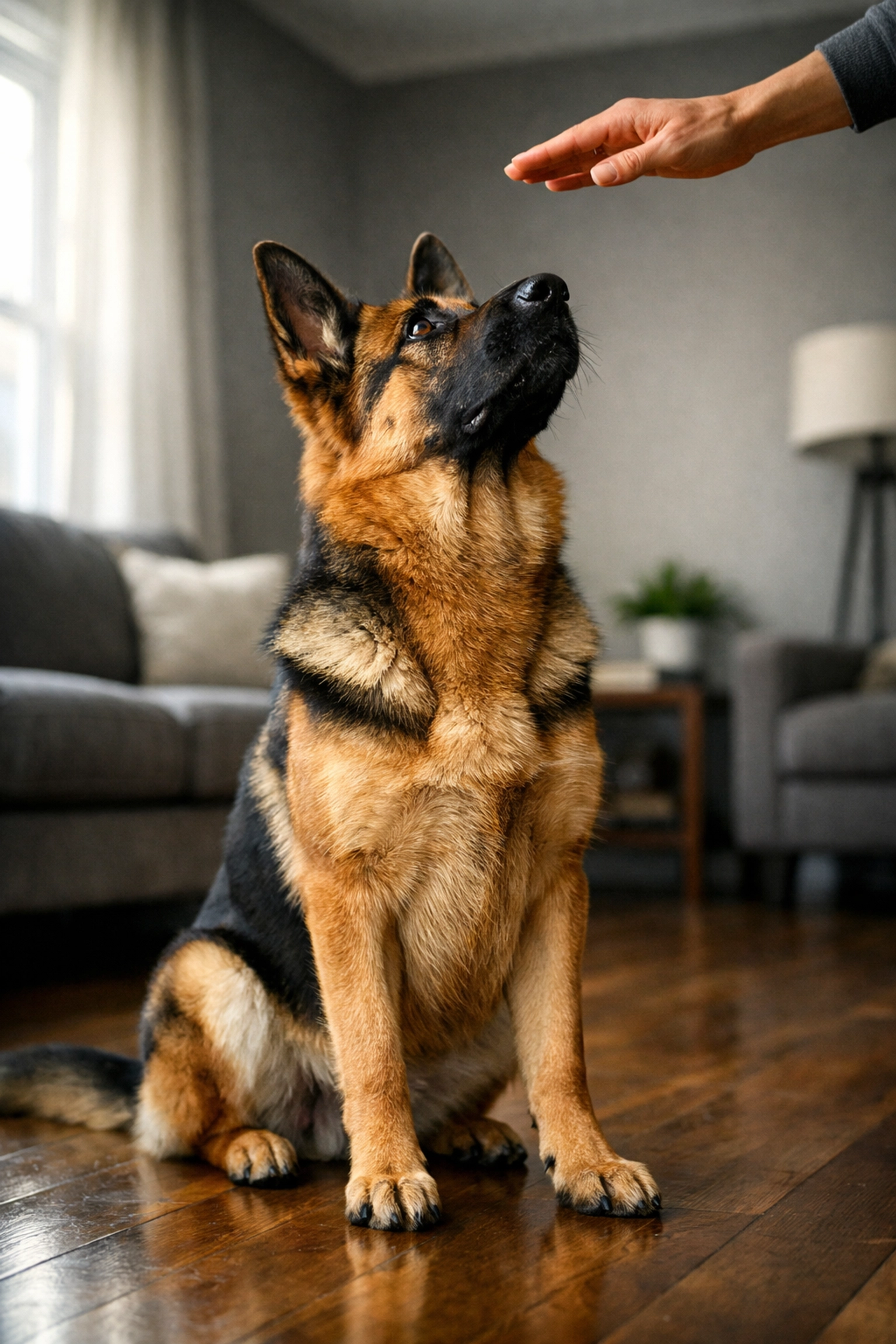
In Saskatchewan, this matters even more. Winter limits outdoor training time. Your dog isn't getting the same exercise or mental stimulation they'd get in warmer months. That energy doesn't disappear, it just redirects into behaviours you don't want. Jumping. Whining. Ignoring recalls. Pulling on leash the second you step outside.
Solid home habits give you control year-round, regardless of weather. They also make those short winter walks far more manageable.
Key Training Habits That Work
Effective dog obedience training Saskatchewan residents can count on starts with consistency and precision. Your dog isn't confused about what you want, they're confused about whether you're serious.
Use Precision and Timing
Mark the exact moment your dog does what you want. Use a word ("yes") or a clicker. If you're three seconds late, your dog has no idea what they're being rewarded for. Timing is everything. Reward the sit the instant their butt hits the floor, not after they've stood back up.
Practice Patience Without Rewarding It
Start noticing when your dog naturally makes calm choices. Sitting instead of jumping. Lying down instead of pacing. Watching you instead of barking at nothing. Reward those moments without asking for them first. You're teaching your dog that calm behaviour gets them what they want, attention, treats, play.
This is especially useful during Saskatchewan winters when cabin fever kicks in and your dog has pent-up energy. Rewarding patience helps them learn to settle, even when they're bored.
Make Meals Work for You
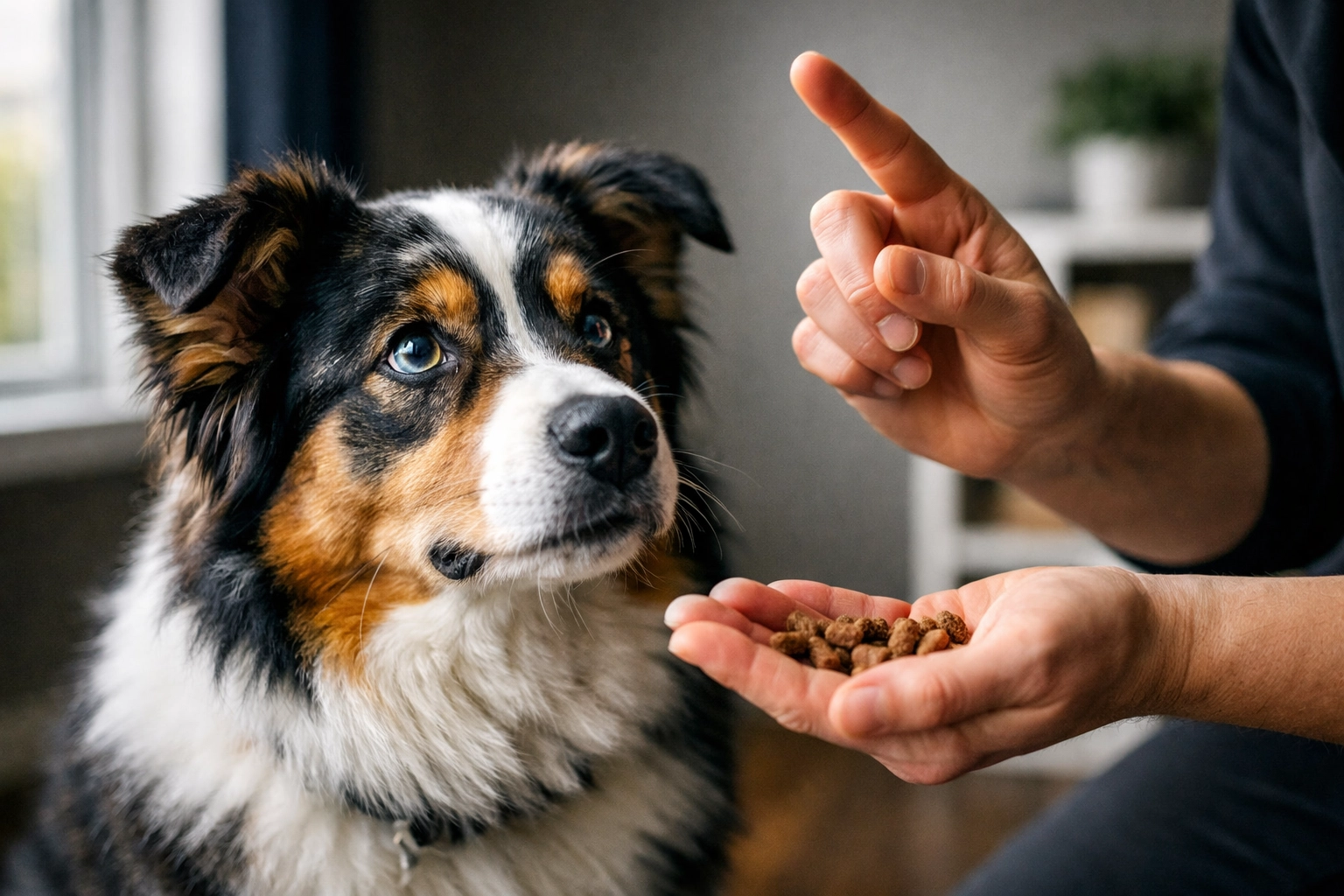
Don't just dump kibble in a bowl. Use portions of their meal during training. Hand-feed if needed. Make them work mentally for what they're eating. It tires them out without a two-hour walk in -30°C weather.
Stop if your dog gets stressed or frustrated. Training should challenge them, not overwhelm them.
Teach the "Place" Command
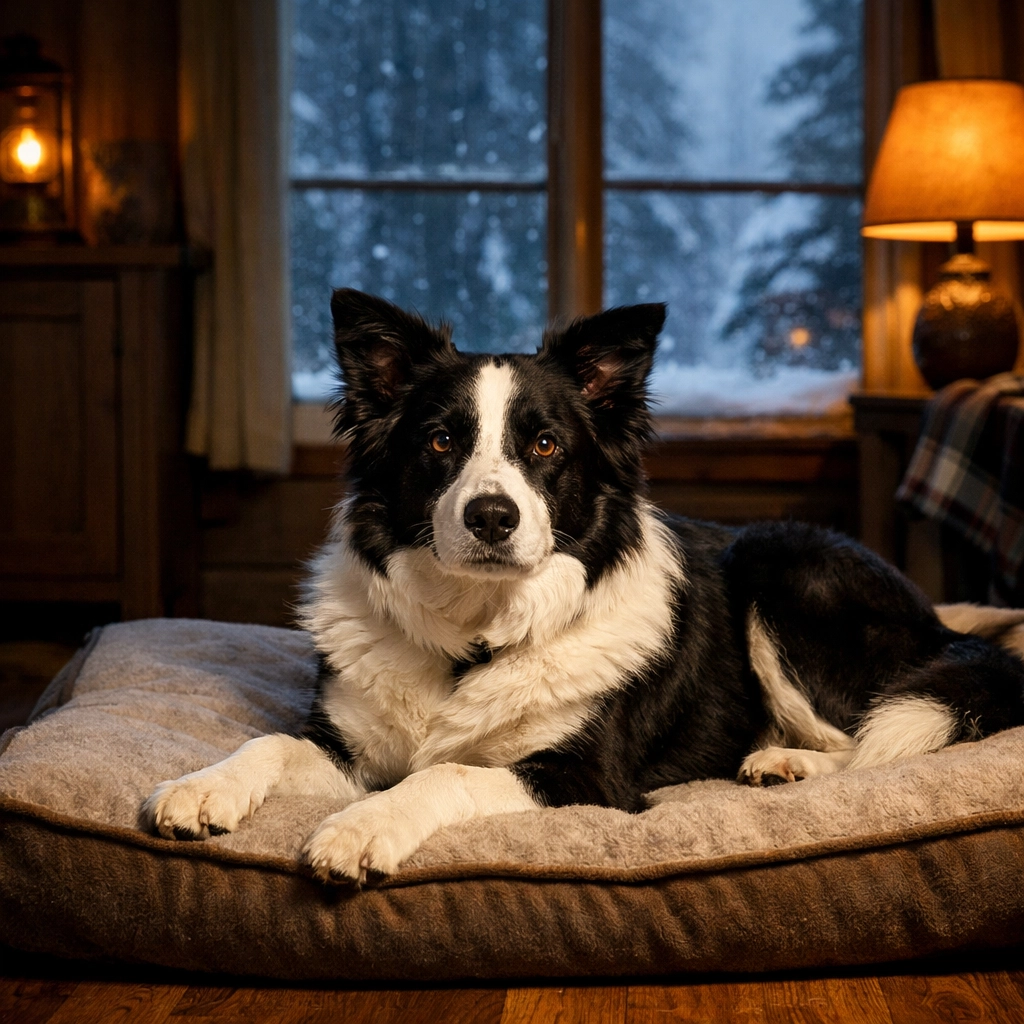
Pick a spot, crate, dog bed, raised cot, and make it their anchor. Reward them for interacting with it. Then add the verbal cue. Then add duration. Then add distractions.
"Place" is one of the most useful commands you can teach. It gives your dog a job when guests arrive, when you're cooking, or when they're underfoot during a Saskatchewan blizzard and you're trying to get things done.
Train Leash Manners Indoors First
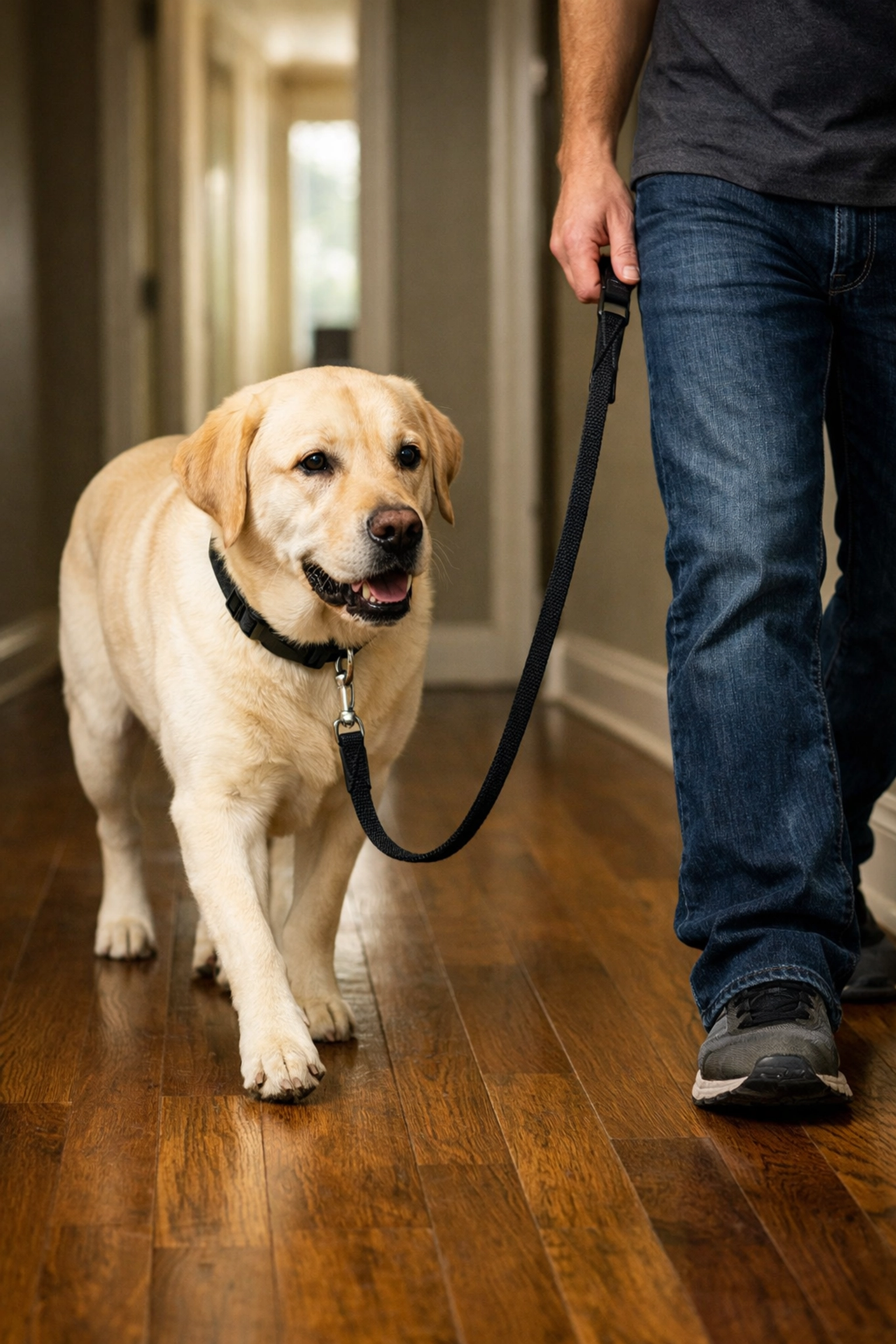
Your dog should walk calmly on leash inside your home before you expect it outside. Start in the hallway. Walk room to room. Reward slack in the leash. Reward check-ins.
If they can't do it without distractions, they won't do it with them. Once indoor leash walking is solid, take it to the yard. Then the driveway. Then the street. Build gradually.
Saskatchewan-Specific Considerations
Let's talk about what makes dog training Prince Albert different from, say, training in Vancouver or Toronto.
Winter Limits Outdoor Time
You're not doing hour-long training sessions outside when it's -40°C with windchill. Your dog's paws freeze. Your fingers freeze. Sessions get cut short, and consistency suffers.
That's why indoor training habits matter so much here. You can practise recalls, heeling, and impulse control inside your home every single day, regardless of weather. It keeps training consistent, and consistency is what creates reliable behaviour.
Cabin Fever Amplifies Problems
A dog that's mildly reactive in summer can become a nightmare in winter when they're not burning off energy. A dog that jumps occasionally can become relentless when they're bored and understimulated.
Home training gives you tools to manage that energy. Mental work tires dogs out almost as much as physical exercise. Teaching new commands, practising old ones, and rewarding calm behaviour all help take the edge off.
Short Outdoor Windows Require Efficiency
When you do get outside, you've got maybe 15-20 minutes before it's too cold or your dog's done. That's not enough time to fix bad habits on the fly. Your dog needs to already know how to walk on leash, recall, and ignore distractions before you step out the door.
Home habits prepare them for those short windows. You're not starting from scratch every walk: you're reinforcing what they already know.
When Home Habits Aren't Enough
Here's the reality: not every dog responds to home training alone. Some need structure beyond what an owner can provide. Some need immersion. Some need a reset.
If you've been working on home habits for months and your dog still ignores you, doesn't settle, or pulls like a freight train the second you clip the leash, it's time to consider professional help.
At Arsenal Canine Academy, our Boarding Rover program gives dogs the immersive structure they need when home training isn't cutting it. It's not a quick fix: it's a complete reset. Your dog lives with us, trains with us, and learns to respond consistently before they come back home.
We focus on obedience fundamentals: responsiveness, impulse control, and real-world reliability. And we back it with a results guarantee on the obedience side. Your dog will respond to commands, or we keep working until they do.
That doesn't mean we guarantee behavioural issues disappear overnight. Reactivity, anxiety, and aggression take time and management. But responsiveness? That's non-negotiable. Your dog will listen when you give a command.
The program works because it removes distractions and inconsistencies. Your dog isn't guessing whether you're serious. There's no room for negotiation. They learn the rules, and they learn them thoroughly.
When they come home, you're not starting over: you're maintaining what's already been built. We teach you how to reinforce the training so it sticks long-term.
Building Habits That Last
Training isn't a one-time event. It's a habit you build into your daily routine. Five minutes here. Ten minutes there. Rewarding good choices when you see them. Correcting poor ones before they become patterns.
The goal isn't perfection: it's consistency. Your dog doesn't need to be flawless. They need to be responsive. They need to understand that commands mean something, that calm behaviour gets rewarded, and that you're in charge.
In Prince Albert, where winter keeps you indoors and outdoor training windows shrink, home habits are everything. They set the foundation for obedience, impulse control, and reliability: regardless of season or environment.
If your dog isn't where you need them to be, start with the basics. Work on indoor responsiveness. Practise patience. Use meals strategically. Teach "place." Train leash manners inside first.
And if that's not enough, reach out. Professional dog obedience training Saskatchewan owners trust isn't about fixing your dog: it's about giving them the structure they need to succeed.
We're here to help. Whether that's answering questions, working through specific issues, or providing immersive training through our Boarding Rover program, we've got options that work.
You can learn more about our programs at arsenalk9sk.ca, or reach out directly through our contact page. We'll talk through what's going on, what you've tried, and what makes sense next.
Your dog isn't broken. They just need clarity. Let's build it.
