
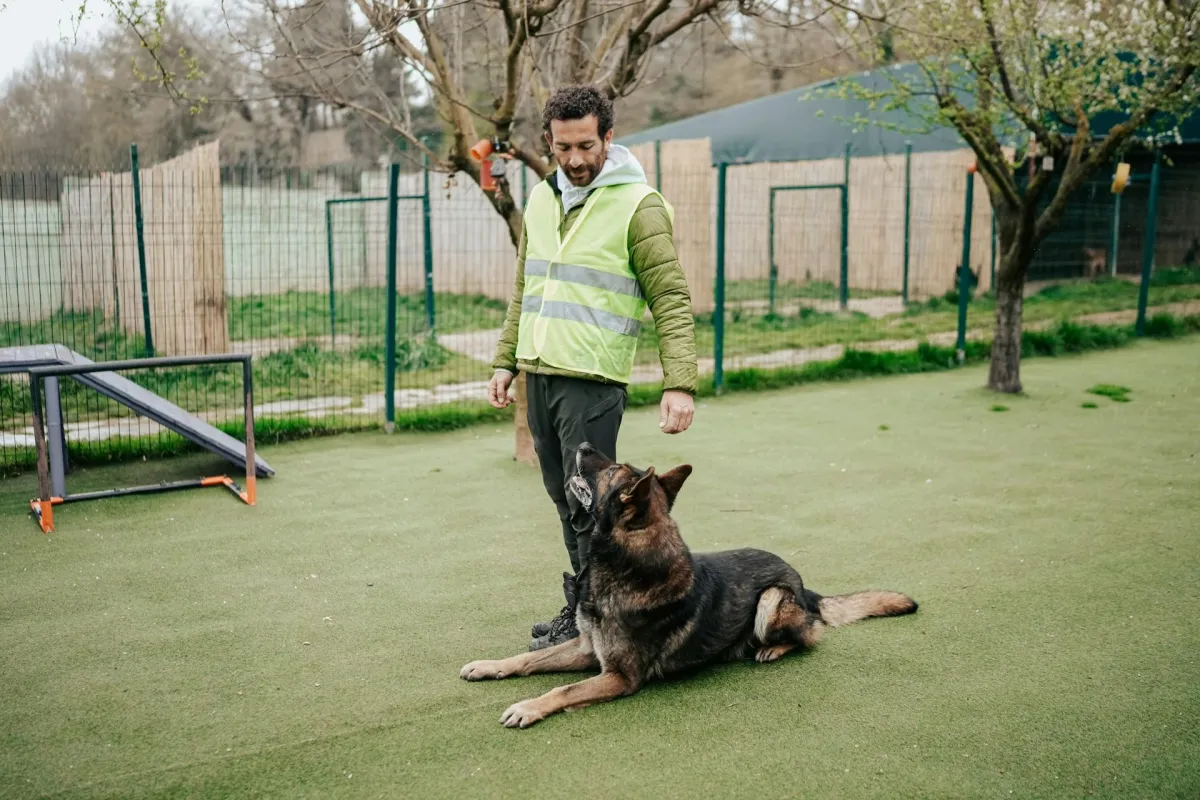
How to Prepare Your Dog for a Successful Boarding & Training Experience in Saskatchewan
Getting ready for your dog's board and train experience might feel a bit intimidating at first, but with a little preparation, the process becomes a lot more manageable for both you and your dog. Every pup has a unique personality, and recognizing that can make a huge difference in helping them have a smooth, positive experience.
Preparation is less about packing a perfect bag and more about setting up your dog to feel safe and confident in a new environment. With the right approach, this can be an exciting opportunity for your dog to learn and grow. And for you, it can be a meaningful way to strengthen your relationship with your four-legged companion.
Understanding Your Dog's Needs
No two dogs are exactly alike. Some are outgoing and curious, while others are shy or cautious in unfamiliar situations. Before they check into a new environment for board and train, it's worth thinking about how your dog tends to react to change.
Does your dog enjoy the company of other dogs, or do they prefer sticking to your side on walks? Are they okay with new sounds and smells, or do loud environments make them anxious? These details matter and can help you and your trainer work together to shape a plan that suits your dog’s needs.
Here are a few ways to help mark out your dog’s comfort zones and triggers:
- Observe how your dog behaves in group settings, like parks or pet stores
- Make notes on what tends to stress them, such as sudden noises or certain animals
- Speak with the trainer ahead of time about your dog’s quirks and preferences
Having this kind of insight allows trainers to tailor their approach and helps your dog get what they need to feel secure, understood, and ready to learn.
Pre-Boarding Preparations
Now that you’ve thought about your dog’s personality and what they might need, it’s time to go over the physical preparations. Heading into a boarding environment can be a big change for your dog, and a few practical steps can make the transition smoother.
Here’s a helpful checklist of what to pack:
- Their usual food and favourite treats
- Any necessary medications along with instructions
- A well-loved toy or comfort item
- Updated ID tags and a secure collar or harness
- Health records, including vaccination history and vet contact info
Confirm your dog’s vaccinations are up to date. Booking a vet appointment a week or two beforehand is a great way to make sure they’re in good shape and gives you peace of mind before drop-off day.
Familiarizing With The Training Process
Training is a big part of your dog’s stay, so doing some light groundwork beforehand can ease them into the experience. This doesn’t mean turning your home into a training camp. Just a few steps to set the tone.
Consistency is a big part of how dogs learn. You don’t need to be rigid, but it helps to ease them into regular routines.
Build out a predictable schedule that includes feeding times, potty breaks, walks, and quiet time. It gets your dog used to the kind of structure they’ll experience with trainers.
Training doesn’t need to be intense to work. Calm repetition works wonders. Even something simple like encouraging your dog to wait for a command before walking through a door helps them build impulse control. The goal is to make training familiar, not foreign.
Transitioning Back Home
When it’s time to bring your dog home, the work isn’t over. Your dog just spent time in a structured setting, so now the goal is to help them settle in while encouraging the good habits they’ve picked up.
Start by easing back into everyday life with steady routines. Stick to the same schedules if possible. Use the same commands they heard during training. This helps avoid confusion and keeps progress on track.
Here are some key strategies:
- Stick with the same cues and keywords your trainer used
- Keep home training sessions short
- Reward calm behaviours
- Re-establish clear boundaries
It’s totally normal for some behaviours to slip once your dog is back in their familiar environment. The trick is to stay consistent, patient, and committed. If any issues pop up or you’re not sure how to respond, don’t hesitate to reach out to the trainer for a check-in session.
Prepare Your Dog for Board & Train Success
Preparing your dog for board and train in Saskatchewan doesn’t have to feel like a challenge. When you understand your dog’s personality and needs, pack familiar comforts, establish clear routines, and support their transition home, things tend to click into place.
Dog owners who invest even a small amount of time in preparation often see better behaviour, smoother transitions, and a more confident dog overall. Whether it's their first stay or they’ve done it before, every dog deserves thoughtful care that honours who they are.
These early steps can play a huge role in the success of the entire experience. And when your dog returns home feeling supported and ready to show off what they’ve learned, you’ll know it was all worth it.
If you're looking to set your dog up for success with a balanced, structured approach, reach out to Arsenal Canine Academy to learn how our approach to dog training supports lasting results and clear communication between you and your pup.
