Signs Your Dog Could Excel In Detection Work
Some dogs just seem like they were born with a job in mind. Whether it’s chasing things down, sniffing everything in sight, or being laser-focused on a toy, these behaviours often show more than just personality — they hint at potential for detection work. This type of training isn’t suitable for every dog, but for some, it’s the perfect match between instinct and responsibility.
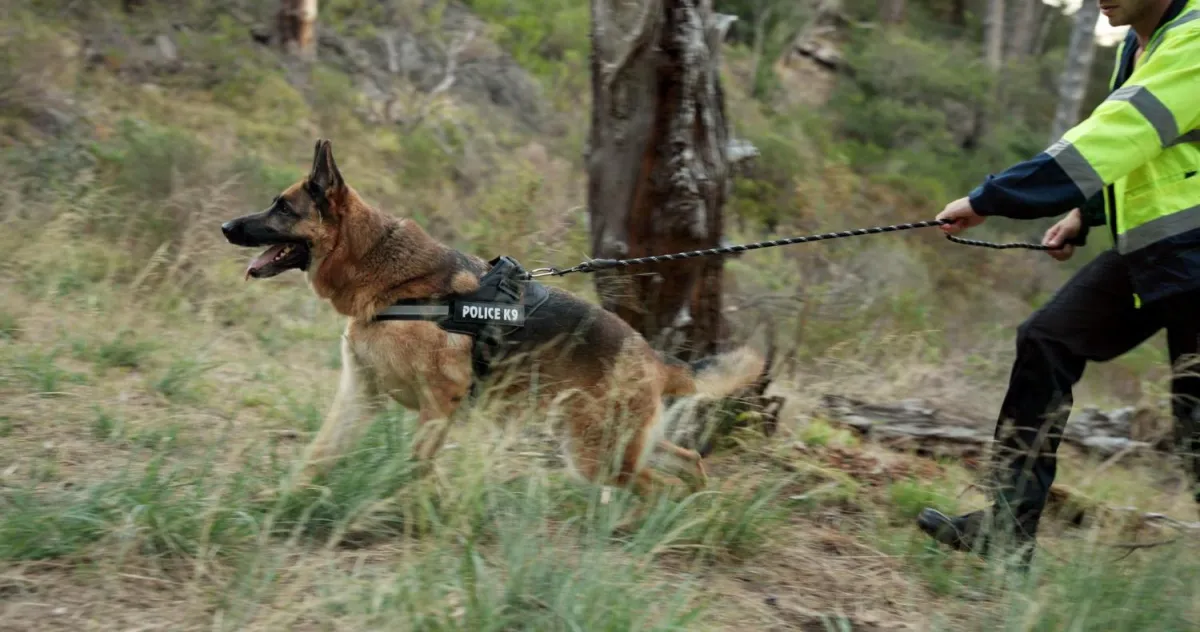
Detection training helps dogs learn to uncover drugs, explosives, human remains, invasive species, and even medical alerts for things like low blood sugar. But before any specialized training begins, certain signs have to be present. Catching the early indicators of potential matters, so how do you know if your dog might be a strong fit?
Natural Abilities of Detection Dogs
Detection dogs aren’t just curious by nature. They’re built for this kind of work. While some breeds are more commonly associated with detection due to history and instincts, breed alone doesn’t determine success. It’s about how those natural abilities show up in daily life.
Here are some traits commonly seen in dogs suited for detection training:
Strong sense of smell
Dogs naturally have powerful olfactory capabilities, but some put their noses to work constantly. Dogs that track scents across the yard or insist on sniffing every corner are often showing strong scent-driven curiosity.
High energy with purpose
This kind of work requires stamina and drive. It's not just about being active — it's about being able to work actively while staying directed. These dogs don’t just run circles. They explore with interest and keep going when there’s a job to do.
Intense focus or toy drive
You might have seen a dog so obsessed with a ball or toy that nothing else matters. That laser focus is incredibly useful in detection work, especially if they’re willing to do almost anything to earn that reward.
Curiosity and problem-solving
Some dogs love a puzzle, sniffing behind doors, nudging objects, or pawing their way into cabinets. This instinct to investigate, especially when it’s persistent, can be a solid starting point for detection tasks.
While not every dog with one of these traits is destined for detection, noticing multiple signs could mean they’re on the right path.
Behavioural Traits to Watch For
Natural ability is one part of the story. Detection dogs also have certain behavioural qualities that help them thrive under training. These daily behaviours say a lot about how they might respond in more structured work.
Eager to work or train
Dogs who remain enthusiastic through training and enjoy learning new commands are more likely to thrive. If your dog lights up when it’s time to learn or work, that’s a very encouraging sign.
Confidence in new settings
Noise, movement, and busy environments come with the territory. Dogs who remain calm in new places or bounce back quickly from surprises are primed for the ever-changing settings involved in detection work.
Independence mixed with teamwork
The sweet spot is a dog who can focus on a task solo but still listens to direction. If your dog works things out on their own but responds once you call, you may be looking at a natural fit.
Food or play motivation
Every trainer knows that motivation drives learning. Whether your dog wants a handful of kibble or goes wild for a ball, that intense desire is a training tool that makes consistency and progress more achievable.
Spotting these traits is the beginning. Training and experience shape the rest of the success story.
Training and Socialization
Even the most naturally-gifted dogs need the right training to turn instincts into reliable detection skills. If your dog shows signs of drive, curiosity, and calm confidence, the next step is building habits that support working success. While starting at a younger age has its advantages, older dogs aren’t necessarily out of the picture. It’s more about attitude and exposure than age.
Begin with basic obedience. Commands like sit, come, stay, and leave it form the foundation of more advanced skills. These basics teach focus, discipline, and listening in distracting environments — all necessary in detection work.
Socialization is just as important. Exposure to different surfaces, sounds, smells, people, and environments gives dogs the steadiness they need to work in unpredictable places. Detection dogs might work in airports, schools, or remote outdoor locations. That flexibility requires calm exposure training.
Here are a few tasks that help build reliable habits:
- Take regular walks in different public spaces to encourage adaptability
- Use scent-based games at home to encourage nose use
- Mix food or toy rewards into everyday training to boost motivation
- Practise moments of calm so your dog doesn’t just wind up but also relaxes on command
As your dog gets more consistent and eager during these training steps, you might consider enrolling them in a detection-focused program. A skilled trainer will know how to balance your dog’s current strengths with the step-by-step build needed for effective detection skills.
The Role of the Handler
A successful detection dog doesn’t work alone. The connection with their handler turns good instincts into excellent performance. The relationship between dog and person carries the entire team — and it takes time to develop.
Handlers need to read their dog’s subtle signals and know when to step in or hold back. It isn’t just about giving commands. It’s about listening, watching for body language, and building communication that flows both ways.
For example, a handler might notice a pause, a subtle change in tail pattern, or increased excitement that signals a scent has been picked up. That insight only comes with regular, relationship-focused work together.
Stronger partnerships result in detection teams that:
- Trust each other in high-stakes moments
- Communicate clearly with minimal missteps
- Stay consistent through long searches
- Build confidence through routine and reliability
To become a strong detection dog partner, you’ll need a calm approach, patience, and a real interest in building daily connection. The time spent gets returned in better results, fewer distractions, and a dog who’s eager to work for and with you.
Is Detection Work Right for Your Dog?
Before diving into training commitments, take a few minutes to reflect honestly. Passion and curiosity are good signs, but pairing them with the right lifestyle and goals matters just as much. Detection isn’t a part-time job for your dog — it becomes a meaningful commitment you share.
Here’s a quick self-check to get you thinking:
1. Does your dog show curiosity about new places, smells, and sounds?
2. Do they show laser focus when playing with toys or following objects?
3. Are they motivated by food, play, or praise?
4. Do they handle surprises or new places with confidence?
5. Are they eager to learn and responsive to commands?
6. Can they work independently without constant hand-holding?
If you’re nodding yes to most of these, you may have a strong candidate for detection work. Still, personality is only part of the story. The training plan, guidance from experts, and your own dedication bring it all together.
Working with a professional offering detection dog training in Saskatchewan is the most reliable next step. They can assess your dog’s traits, provide hands-on feedback, and help you take the next move with confidence if it’s a good fit.
Your Dog Might Be Closer Than You Think
Some dogs have the right puzzle pieces. Others just need a little help putting them together. That ball-obsessed pup at your feet or the nose-to-the-ground explorer might have all the instincts for something bigger. You don’t need a perfectly trained working dog to start — you just need the right traits, the right attitude, and the willingness to explore what’s possible.
Detection work isn’t for everyone, but for the right dog and handler, it’s an incredibly rewarding path. And in Saskatchewan, where the value of detection dogs keeps growing, the potential for making a difference is already within reach — starting with the dog you already know and love.
Exploring your dog's potential for detection work can be an exciting journey. If you're curious about detection dog training in Saskatchewan, consider reaching out for professional guidance. Arsenal Canine Academy specializes in creating strong partnerships between dogs and handlers, offering programs designed to build both skill and trust. To find out more about how we can help, feel free to get in touch through our contact page.
