What to Do When Your Dog Shows Disinterest in Detection Training
Detection training can be one of the most rewarding paths for working dogs, especially for those with the stamina, curiosity, and natural drive for the task. Whether that's narcotics detection, explosives work, or search and rescue, it all relies on a strong connection between the K9 and handler. In Saskatchewan, where conditions can change quickly and detection work often takes place in challenging environments, it's important for working dogs to stay focused and motivated throughout their training.
If you've noticed your dog acting distracted, disinterested, or just not as engaged during training sessions, it's worth taking a closer look. This isn’t always a sign that your dog isn’t suited for detection work. More often, it means parts of the training program need to be adjusted. The goal here is to figure out why your dog is losing interest and how to bring them back on track with simple, effective changes that reflect what they need to succeed.
Identifying The Root Cause Of Disinterest
Before making any changes, it helps to understand what might be causing your dog’s lack of focus. Detection training is mentally and physically demanding. Even confident, focused K9s can start tuning out if something doesn’t feel right in the process. It’s rarely about refusal and more about miscommunication or unmet needs.
Some common reasons your dog might be losing interest in detection training:
- Training sessions have become repetitive or too predictable.
- The environment is full of distractions such as wildlife, unfamiliar scents, or noise.
- Rewards given during sessions aren’t high-value for your specific dog.
- Timing is off in your delivery of cues or praise.
- Your own stress or frustration is being picked up by your dog.
Let’s say you’ve been using the same toy or food reward for months. At some point, your dog might start to lose motivation if that reward no longer excites them. Or maybe you’re training in a new outdoor space in Saskatchewan where there are new sights and smells. These changes can easily pull your dog's focus away if not properly managed.
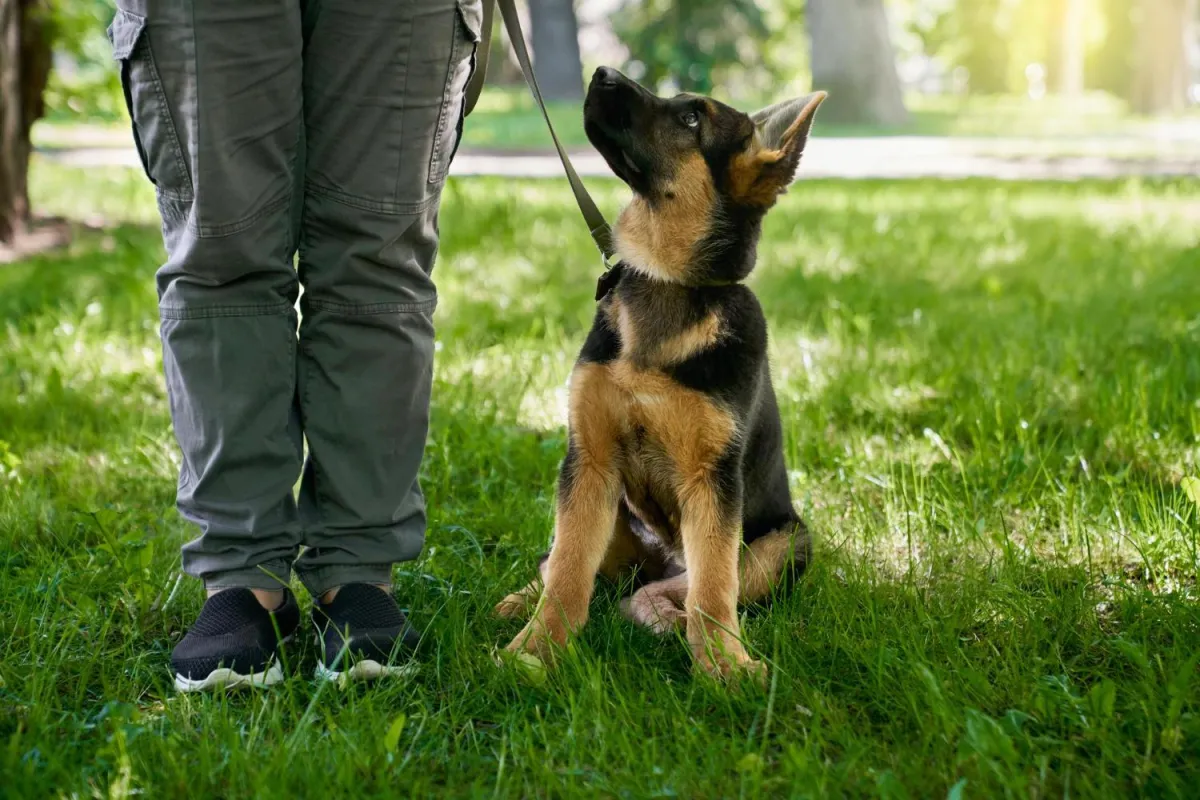
Your dog’s body language can tell you a lot. If they’re looking around more than sniffing, showing signs of stress, or moving slowly toward the target area, those are all cues something is off. By paying close attention, you’ll get better at catching the early signs and shifting before a lack of interest becomes a bigger pattern.
Strategies To Re-Engage Your Detection Dog
When a dog shows signs of checking out, making a few small changes can often bring their attention back. The trick is not to push harder but to train smarter. The right balance of structure and variety keeps the work interesting without overwhelming your dog.
Try the following ideas to reset your dog's focus:
1. Use play as a bridge
Mix in short play breaks between search exercises. It could be a quick tug game or fetch with their favourite ball. These moments act like mental resets and remind your dog that work and fun can go hand-in-hand.
2. Switch up reward types
Don’t assume yesterday’s reward will hold the same value today. Rotate between different toys, scents, or treats to figure out what sparks the most drive.
3. Keep sessions short and upbeat
Avoid dragging out training. Keep it moving with 5 to 10-minute sessions that have clear wins and end on a positive note. A strong finish helps improve their attitude next time.
4. Add a light challenge
Introduce small twists like changing the hide location or using a different scent source. This keeps their brain working but doesn’t overwhelm them. Make sure the jump in difficulty is reasonable based on their skill level.
5. Pay attention to your own energy
Dogs mirror our emotions. If you’re calm and engaged, they’re more likely to follow suit. Avoid bringing frustration or impatience into the session.
These changes aren't meant to rewrite your whole method but to add layers that speak more clearly to your dog’s current mindset. Sometimes, it's just about helping them rediscover the joy and purpose in the task again.
Adjusting Training Techniques For Better Engagement
Even the most seasoned K9s outgrow certain routines. If your dog has started to tunnel into habit rather than genuine focus, it might be time to look at your setup with fresh eyes. Layering small changes into an existing program helps your dog see even familiar tasks in new ways.
Start by reviewing how each training session is structured. Same location, same reward, same drill order can wear thin. Break the pattern. Try starting with a quick play session, move into the work phase, and then finish with praise or their favourite toy. That slight switch in flow could be all you need to build interest again.
Also consider the role of reinforcement. Detection training depends heavily on timing. Catching your dog in the act of performing well and delivering an instant reward is far more effective than praise that arrives too late. The reinforcement must match the effort. If the task was more challenging, the reward should feel like it’s worth it.
Some dogs also benefit from having something new to layer into their sessions. For example, incorporating scent variations or using textured surfaces to hide target scents can re-engage a dog who’s getting bored. If your dog is more physical, throw in a simple hurdle or raised platform to navigate before the start of the search. These micro-challenges provide needed mental and physical variety without overwhelming the dog.
The goal here is to create an experience that your dog looks forward to, not just something they’ve gotten used to doing out of habit. Engagement grows when your dog sees value in the work and trusts that their effort leads to something positive.
When It’s Time To Get Expert Insight
There’s no shame in reaching a point where re-engagement methods aren’t working. If your dog is still checking out after you’ve tried changing rewards, adjusting routines, and improving your timing, it may be time to bring in a professional.
An experienced K9 trainer can spot subtle changes in attitude or behaviour far faster than most handlers. Things you might dismiss—like a flick of an ear or a hesitation before heading toward the target area—could mean something deeper to someone who's trained to catch those signals.
In Saskatchewan, where conditions often bring unique challenges to detection work, having someone who’s familiar with the regional terrain and distractions makes a real difference. They can help you identify environmental factors influencing performance, adjust routines based on your dog’s experience level, or reintroduce core tasks in new ways to rebuild confidence.
Detection work is always a shared task between dog and handler. Sometimes, it’s the handler’s approach that needs a tune-up. An outside perspective can help you understand how your body language, tone, or timing might be affecting the session without realising it.
Trainers don’t replace your role—they help strengthen it. Their support helps both you and your dog rediscover your rhythm and move forward with greater clarity and teamwork.
Helping Your Dog Thrive In Detection Work
It’s normal for dogs to go through highs and lows when it comes to drive and performance. What matters is how you respond when focus fades. The simple act of noticing the dip and choosing to adjust makes all the difference. Good results aren’t based on forcing effort but on building excitement, trust, and confidence through each phase of training.
Whether it's refreshing your routine, changing up the reward system, or looping in help from a trainer, each step counts toward keeping your dog engaged. The key is showing your dog that the work still matters and that it can be meaningful and fun at the same time. Saskatchewan’s detection dogs face all kinds of real-world conditions. Helping them stay interested and confident benefits not just the task, but the partnership behind it.
Stay open, stay aware, and don’t be afraid to reset. Those small moments of progress, when noticed and supported, lead to bigger breakthroughs in the long run. Sometimes, all it takes is changing how the session feels—for both you and your K9 partner—to bring back the spark.
If you're in Saskatchewan and looking for ways to improve your working dog's engagement, investing in detection dog training in Saskatchewan can be a smart step forward. With support from the team at Arsenal Canine Academy, you’ll gain the tools and guidance to help your K9 stay focused and excel in the field. Whether you're adjusting your training approach or need a fresh perspective, we're here to help you and your dog thrive together.
