Structured Walks vs. "Sniffaries": Which Is Better for Your Prince Albert Dog’s Behaviour?
We’ve all been there. You clip on the leash, step out the front door, and suddenly you’re not "taking the dog for a walk", your dog is taking you for a drag. One minute you’re being yanked toward a particularly interesting blade of grass, and the next, you’re nearly pulled off your feet because a squirrel dared to exist across the street.
It’s exhausting, right? It can wear on your nerves and make what should be a relaxing part of your day feel like a chore. You might even find yourself checking the window to see if the neighbours are out, hoping to avoid the embarrassment of a mid-walk tug-of-war.
If this sounds like your daily routine in Prince Albert, you aren’t alone. Many owners struggle with finding the balance between letting their dog "be a dog" and actually having a controlled, pleasant experience. This is where the debate between Structured Walks and "Sniffaries" comes in.
While both have their place, understanding the difference, and knowing which one your dog actually needs to improve their behaviour, is a game-changer.
What Exactly is a Structured Walk?
A structured walk isn't just about moving from Point A to Point B. It’s a dedicated training session where the main goal is engagement and clear communication.
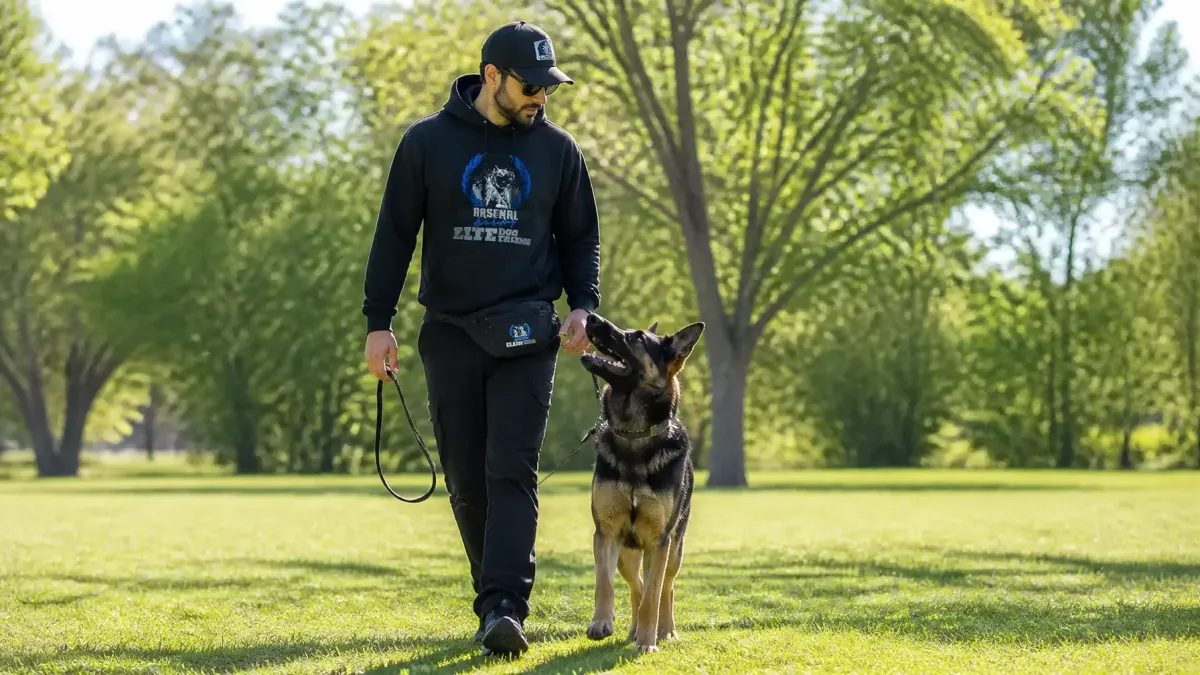
In a structured walk, your dog is in a specific position, usually at your side (a "heel" or "near" position). The leash is loose, but there’s a clear boundary. Your dog isn't zig-zagging in front of you, lunging at the end of the lead, or stopping every three seconds to investigate a fire hydrant.
Instead, they are focused on you. They’re waiting for your cues on when to turn, when to stop, and when to pick up the pace. This type of leash training in Prince Albert is less about the physical exercise and more about the mental discipline.
It helps to think of it as "working mode." When your dog is in this frame of mind, they aren't scanning the environment for things to bark at; they’re waiting for their next instruction.
The Rise of the "Sniffari"
On the flip side, we have the "Sniffari" (or decompression walk). This is a walk where the dog is essentially the captain of the ship. They’re on a longer leash, and the primary goal is for them to follow their nose.

Sniffing is a huge part of how dogs process the world. It’s been shown to lower their heart rate and provide significant mental stimulation. For a dog that spends most of their day inside, getting out to "read the morning news" via the scents in the neighbourhood is incredibly rewarding.
But here’s the thing: if every walk is a Sniffari, your dog never learns how to exist calmly in the presence of distractions. If they think the leash is an invitation to go wherever their nose leads them, they’ll quickly learn that pulling is the most effective way to get what they want.
Why Structure Builds Confidence and Calmness
Many people worry that a structured walk is "boring" for the dog, but it’s actually the opposite. For many dogs, especially those prone to anxiety or reactivity, the world is a loud, overwhelming place.
When a dog is allowed to lead the walk, they feel responsible for everything they encounter. They have to decide if that person walking toward them is a threat, if that barking dog behind the fence needs to be barked back at, or if that rustling in the bushes is something to chase. That’s a lot of pressure!
By providing structure, you’re taking that weight off their shoulders. You’re telling them, "Hey, I’ve got this. You just stay here with me, and I’ll handle the rest."
This clear leadership builds immense confidence. A dog that knows exactly what is expected of them is a dog that can finally relax. This is a core part of what we teach as a dog behaviourist in Prince Albert; the more structure you provide, the calmer your dog becomes in the long run.
The Prince Albert Challenge: Distractions Everywhere
Living in Prince Albert means we have some beautiful spots for walking, from the Rotary Trail to the trails in Little Red River Park. But these spots are also high-distraction zones.
Let's say you’re walking near the river. There are joggers, cyclists, other dogs, and the occasional deer or fox. If your dog is in "Sniffari" mode and sees a deer, their instinct to chase is going to kick in instantly. Because they aren't already engaged with you, getting their attention back is like trying to stop a freight train with a piece of string.
However, if you’re practicing a structured walk, your dog is already tuned in. When they see that distraction, they look to you for guidance. Because you’ve built a history of clear communication, they’re much more likely to ignore the deer and stay in their heel.

Sniffing as a Reward, Not a Default
We aren't saying your dog should never sniff! Sniffing is a fantastic tool, but it works best when it’s treated as a reward for good behaviour.
The Arsenal way involves a "work hard, play hard" mentality. We suggest starting your walk with a solid 10–15 minutes of structured, focused heeling. Once your dog is calm and responsive, you can give them a release command (like "break" or "go sniff") and let them have five minutes of "Sniffari" time as a reward for their hard work.
This approach does a few things:
It reinforces that you control access to the fun stuff.
It keeps the dog's brain engaged throughout the walk.
it ensures that the "default" state on the leash is calmness, not chaos.
If your dog ignores you in public places, it’s often because the environment has become more rewarding than you are. By making sniffing a reward you grant, you become the most important part of the walk.
How "Reconstructing Rover" Bridges the Gap
If the idea of a structured walk sounds great but feels impossible with your current "leash-pulling machine," that’s exactly why we created our Reconstructing Rover programme.
We don't just teach your dog to sit; we teach them how to exist in a partnership with you. Our dog training in Prince Albert focuses on essential commands that make walks a breeze:
On-Leash Walking: Mastering the structured heel so you can walk anywhere with confidence.
Place, Under and Implied Stay: Teaching your dog to settle, which translates to a calmer state of mind on the move.
Recall: Ensuring that even if they are on a "Sniffari," they come back the second you call.

Finding Your Rhythm
So, which is better? The truth is, your dog needs both: but they need them in the right order.
If your dog is struggling with disobedience or anxiety, start leaning more heavily into the structured walk. Build that foundation of trust and focus first. As your dog becomes more reliable and calm, you can start layering in more freedom.
It’s worth the effort. There is nothing quite like the feeling of walking down a busy street in Prince Albert with your dog by your side, leash loose, and both of you completely in sync. It transforms the walk from a stressful battle into a true partnership.
If you’re ready to stop the tug-of-war and start building a better relationship with your dog, we’re here to help. Whether you’re dealing with a rowdy puppy or a reactive adult, our proven methodology can get you the results you’re looking for.
Ready to transform your walks? Reach out to us today to learn more about our Reconstructing Rover and Boarding Rover programmes. Let’s build a stronger partnership together.
