
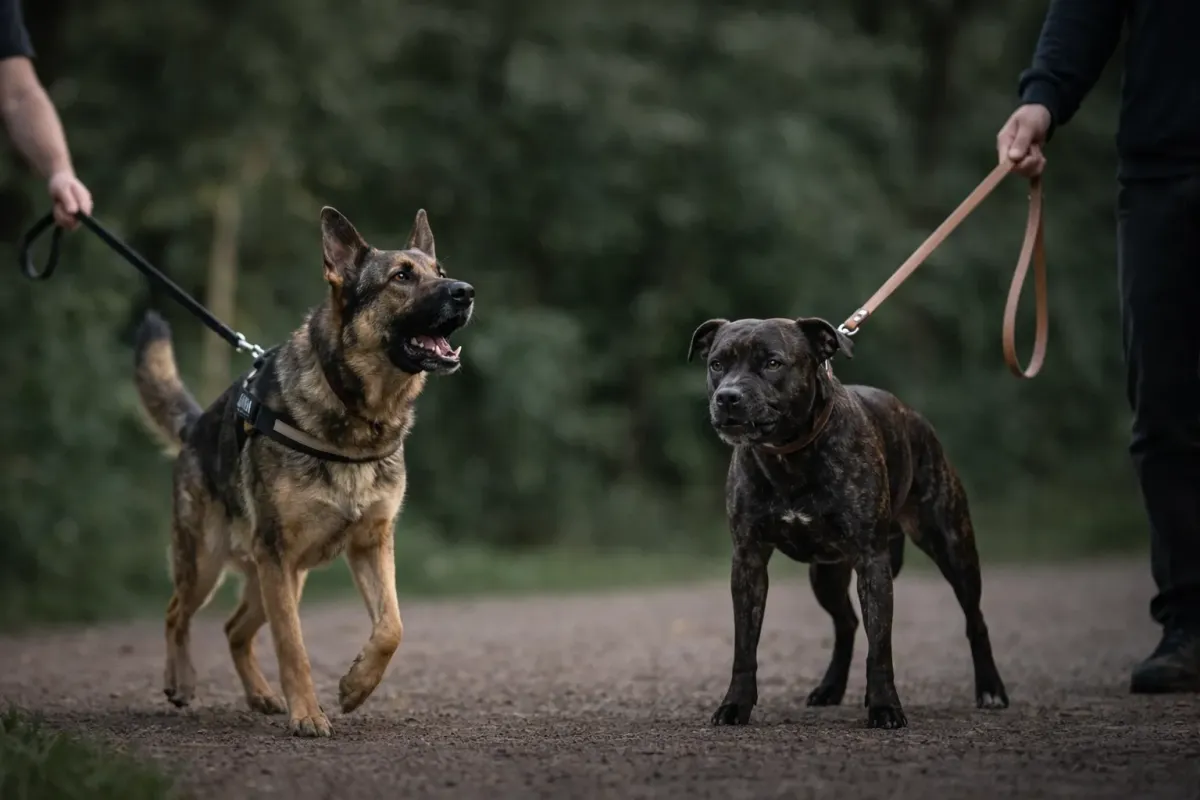
Reactivity vs Aggression: Is Your Dog Actually Mean?
It’s a scenario many dog owners in Prince Albert know all too well. You’re out for a peaceful evening walk, enjoying the fresh air, when suddenly your dog spots another pup across the street. In a split second, the dog who was just napping on your feet an hour ago transforms. There’s barking, lunging, snapping, and maybe even some spinning at the end of the leash.
You feel the heat rise in your face as neighbours look on. You might even find yourself apologising profusely, dragging your dog away while wondering, “Is my dog actually mean?”
It’s a heavy question. It’s isolating, frustrating, and can honestly make you want to stop walking your dog altogether. But here’s the good news: most of the time, that "mean" behaviour isn't coming from a place of malice. Usually, it’s a case of reactivity rather than true aggression. Understanding the difference between the two isn’t just about labels: it’s the first step in actually fixing the problem and rebuilding your relationship with your dog.
What Exactly is Reactivity?
When we talk about a reactive dog, we’re talking about a dog that has an "out-of-proportion" emotional response to a normal situation. Think of it like someone who is absolutely terrified of spiders. If a tiny spider crawls across the floor, that person might scream, jump on a chair, and start shaking. They aren’t trying to be aggressive; they are just completely overwhelmed by a big feeling: in this case, fear.
For dogs, those "big feelings" are usually triggered by things like other dogs, strangers, bicycles, or even loud trucks. Instead of just noticing the trigger and moving on, the reactive dog’s brain flips into a state of high arousal. They bark, lunge, and carry on because they don’t know what else to do with that surge of emotion.
It’s important to remember that reactivity can stem from a few different places. Sometimes it’s fear (the "stay away from me" response), but other times it’s actually frustration. If you have a dog that loves everyone, they might become reactive on a leash simply because they are frustrated that they can’t go say hi. To an onlooker, the barking sounds the same, but the motivation is totally different.

Is It Aggression? Understanding the Intent
If reactivity is about "big feelings," then aggression is about "intent." This is a crucial distinction we make when providing dog aggression training in Prince Albert. An aggressive dog has a specific goal: they want to cause harm, control a resource, or force a perceived threat to leave their space through physical confrontation.
While a reactive dog might look scary, their goal is usually just to create distance or express frustration. They want the "scary thing" to go away so they can feel safe again. An aggressive dog, however, is often more calculated. They aren't just reacting to a stimulus; they are actively seeking to engage in a way that could lead to a bite or an attack.
Here’s a quick way to look at the differences:
The Goal: Reactive dogs want space or are frustrated; aggressive dogs intend to cause harm or assert dominance.
The Recovery: A reactive dog usually calms down relatively quickly once the trigger is gone. An aggressive dog may stay in a "fight" mindset for a long time, pacing or growling even after the threat has vanished.
The Warning: Aggressive dogs often give very subtle warnings (or none at all if they’ve been punished for growling in the past), whereas reactive dogs are usually very loud and obvious about their distress.
Why the Confusion Happens
The reason most owners struggle to tell the difference is that reactivity and aggression look almost identical on the surface. A lunging, snarling dog looks "mean" regardless of why they are doing it.
Furthermore, if reactivity isn't addressed, it can sometimes morph into aggressive behaviour. If a dog learns that barking and snapping makes the "scary" stranger go away, they might start using those behaviours more proactively. This is why getting professional help early on is so important. If you're feeling overwhelmed, looking for a dog behaviourist in Prince Albert can give you the clarity you need to handle these situations safely.

The Toll on the Owner
Living with a reactive dog is exhausting. We see it all the time at Arsenal Canine Academy: owners who are stressed, embarrassed, and feel like they’ve failed their dog. You might find yourself walking your dog at 11:00 PM just to avoid seeing anyone else. You might stop inviting friends over because your dog can’t handle the "intrusion."
It’s okay to admit that it wears on your nerves. It’s hard to stay calm when you’re literally being dragged down the street by a 70-pound dog who is losing its mind at a squirrel. But blaming yourself doesn't help the dog. Most reactivity issues are a combination of genetics, lack of early socialisation, or a single traumatic event: none of which are your "fault." What matters now is how you move forward.
How We Approach the Problem: The Arsenal Way
At Arsenal Canine Academy, we don't believe in "mean" dogs. We believe in dogs that lack the tools to handle their environment. Our approach to reactive dog training in Prince Albert focuses on building a foundation of trust and clear communication between you and your pup.
One of our most effective tools for tackling these complex issues is our Boarding Rover program. This is a residential training program where your dog stays with us, allowing our professional trainers to work with them in a controlled, consistent environment.
Here’s what you need to know about how we work:
Obedience is Guaranteed: We stand behind our results. When your dog completes our program, we guarantee they will have a solid foundation of obedience. They will understand commands and look to you for guidance, even when things get distracting.
Behaviour Modification is a Journey: While we can build the obedience foundation quickly, changing how a dog feels about a trigger takes time. Behaviour modification isn't a "flip of a switch." It’s a process of desensitisation and counter-conditioning. We give you the "car" (the obedience), but you still have to "drive" it every day to maintain that progress.
Owner Education: Training the dog is only half the battle. We spend significant time teaching you how to read your dog's body language, how to manage triggers, and how to keep your own cool during a walk.

Practical Tips for Managing Reactivity Today
While you’re considering professional training, there are a few things you can do right now to make your walks more manageable:
Manage the Distance: Distance is your best friend. If you know your dog reacts to other dogs at 20 feet, try to stay 40 feet away. Find the "threshold": the distance where your dog notices the trigger but hasn't "exploded" yet: and work there.
Ditch the Retractable Leash: These leashes are a nightmare for reactive dogs. They offer zero control and can actually increase a dog's anxiety because they never know where the "end" of the leash is. Switch to a sturdy, 6-foot flat leash.
Focus on the Foundation: Sometimes, the best way to fix a "walk problem" is to work on things inside the house. If your dog doesn't listen to you in the living room, they definitely won't listen to you when there’s a squirrel involved. Check out our tips on correcting dog behaviours for a happier home to start building that focus.
Consider Muzzle Training: There is a huge stigma around muzzles, but they are actually a fantastic tool for safety and peace of mind. A muzzle doesn't mean your dog is "bad"; it means you are a responsible owner who is taking precautions. You can learn more about the benefits of muzzle training on our blog.

Setting Realistic Expectations
We want to be direct with you: there is no magic wand in dog training. If a trainer promises to "cure" your dog's aggression in forty-five minutes, walk away. True behaviour change requires consistency, patience, and a lot of repetitions.
Our Boarding Rover program sets the stage for success, but the real magic happens in the weeks and months after your dog comes home. We provide the blueprint, but you have to build the house. The good news? You don't have to do it alone. We’re here to support our Arsenal family every step of the way.
Whether you're dealing with a dog that’s a bit too excited or one that’s truly struggling with fear-based aggression, there is hope. Your dog isn't "mean": they’re likely just misunderstood and overwhelmed.
If you’re ready to stop dreading your walks and start enjoying life with your dog again, let’s chat. Whether you need a dog behaviourist in Prince Albert or you’re interested in our advanced boarding and training, we’re here to help you and your dog find a better way forward.

Ready to Take the Next Step?
Don't let another day go by feeling stressed and embarrassed. At Arsenal Canine Academy, we specialize in helping dogs: and their owners: navigate the challenges of reactivity and aggression.
Contact us today to learn more about our programs and how we can help you build the relationship you’ve always wanted with your canine companion. From Prince Albert to the surrounding Saskatchewan areas, we’re dedicated to creating happier homes and more confident dogs.
